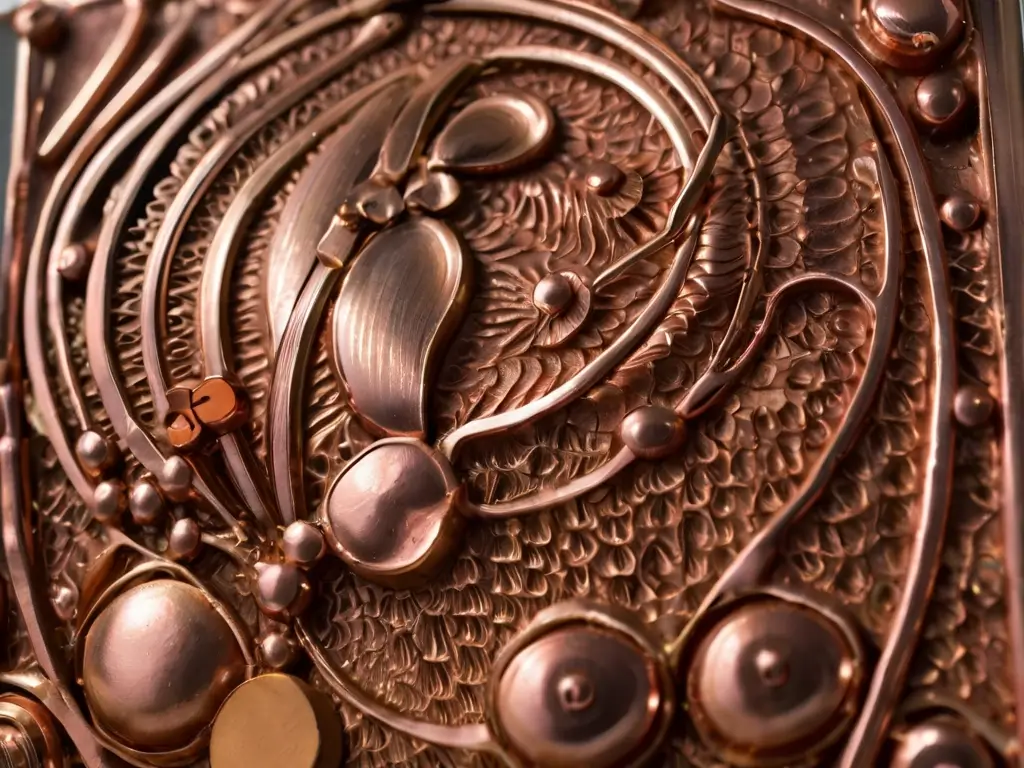
Rust is a form of corrosion that occurs when iron or iron-based metals are exposed to oxygen and moisture. The chemical reaction between iron, oxygen, and water leads to the formation of rust, which eats away at the metal over time. Copper, however, reacts differently when exposed to the elements.
When copper is plated onto the surface of a metal object, it provides several benefits such as decorative appearance, corrosion resistance, increased electrical and thermal conductivity, and improved adhesion of additional deposits to the substrate. The copper layer acts as a protective barrier against corrosion.
Rust
Before diving into why copper doesn’t rust, it’s important to understand exactly what rust is and how it forms. Rust is the common name for iron oxide, a reddish-brown compound that forms when iron or steel chemically reacts with oxygen in the presence of water or humidity. The chemical name for rust is iron(III) oxide and its chemical formula is Fe2O3.
The rusting process occurs in three main steps:
- Oxidation: When iron is exposed to oxygen, it undergoes an oxidation reaction, which causes the iron atoms to lose electrons. This transforms the iron into iron ions with a positive charge.
- Hydrolysis: The iron ions then react with water molecules and generate iron hydroxide. This step may produce ferrous hydroxide (Fe(OH)2) or ferric hydroxide (Fe(OH)3).
- Further Oxidation: The iron hydroxides are further oxidized in the presence of oxygen to eventually form iron(III) oxide, the chemical compound known as rust. This reddish-brown compound flakes off, weakening the underlying iron metal.
Rusting can cause severe damage over time, including corrosion holes, loss of structural integrity, surface pitting, and unsightly staining. Since rusting only occurs in iron or iron-based metals, other metals like copper do not have the same rusting issues.
Why Copper Does Not Rust
Copper does not rust for two primary reasons:
- Copper is not an iron-based metal susceptible to rusting. Rust requires iron content to form iron oxides.
- Copper undergoes different oxidation reactions when exposed to the elements, forming compounds other than rust.
Copper is an elemental metal that has different chemical and physical properties compared to iron. When exposed to moisture and air, copper reacts differently due to differences in the arrangement of atoms, electrons, and chemical bonds.
Instead of producing iron oxide, copper forms other compounds over time through oxidation reactions, such as copper carbonate (green patina) or copper sulfate (blue-green patina). The patina layer that forms acts as a protective coating. While this patina may change the appearance of copper, it slows down further corrosion by preventing moisture and oxygen from reaching the copper surface.
The Benefits of Copper Plating
Copper plating involves electrolytically depositing a thin layer of copper onto the surface of another metal through an electroplating process. This is done to provide protective and aesthetic benefits without changing the core metal being plated.
Some key benefits of copper electroplating include:
- Corrosion Resistance: The copper plating prevents moisture and oxygen from reaching the underlying base metal, acting as a barrier against rust and other oxidation. This helps extend the lifespan of steel, iron, and other metals prone to rusting.
- Attractive Appearance: Copper has an appealing warm, reddish-brown color that provides decorative enhancement. The uniform copper layer can cover defects, pits, and scratches.
- Electrical Conductivity: Copper is the second most electrically conductive metal after silver. Plating improves conductivity compared to steel or iron.
- Solderability: The copper layer allows for excellent solder adhesion, improving the ability to solder components to plated parts.
- Adhesion: Copper electroplating provides a suitable surface coating for improved paint adhesion or adhesion of subsequent platings like nickel or chromium.
The Copper Plating Process
Copper electroplating relies on electrolytic reactions to deposit a thin copper layer onto a metallic surface. Here is a quick overview of how it works:
- The part to be plated is cleaned thoroughly to remove any contaminants, oxides, oils, or dirt from the surface. This prepares the part for plating.
- The part serves as the cathode (negative electrode) and is immersed in a copper electroplating solution along with a copper anode (positive electrode).
- When a direct electric current is applied, the copper anode begins to dissolve as copper atoms lose electrons (oxidation).
- The freed copper ions move in the solution and plate onto the cathode part, gaining back electrons (reduction). This deposits a copper metal coating.
- Various process controls like current density, solution agitation, temperature, and time will affect the rate of deposition and properties of the copper plating.
- The thickness of the copper layer can be precisely controlled through adjusting the electroplating parameters. Thicknesses usually range from 0.1 to 5 mils.
- After plating, the part is rinsed thoroughly and undergoes finishing steps like buffing, polishing, or adding a clear protective topcoat.
Why Copper Plating Does Not Rust
Now that we’ve examined the copper plating process, it’s clear why this deposited copper layer does not rust:
- The plating only affects the surface, while the core metal remains unchanged. Steel or iron will not transform into copper.
- Copper does not contain iron or iron ions, which are essential for rust formation through iron oxidation.
- Any oxidation or patina forms in the copper layer only. The copper patina protects the underlying metal.
- If the copper finish wears off, the exposed base metal would remain susceptible to rusting. But a proper copper layer prevents this exposure entirely.
- The plating is essentially creating a protective copper shield over the surface of the object. This shield does not rust.
- While the steel underneath may still rust if exposed, an intact copper plating layer prevents moisture, oxygen, and electrolytes from reaching the base metal and starting the rusting process.
Copper electroplated layers provide excellent corrosion resistance for iron and steel parts, keeping rust and oxidation at bay. The copper finish gives the appearance of a copper object while the core material remains protected from rust. This makes copper plating an ideal technique for decorative, protective and functional applications across many industries.
Maintaining and Caring for Copper Plated Items
Copper plating delivers long-lasting protection from rust, but there are still some maintenance practices to keep copper finishes looking their best:
- Avoid abrasive cleaners or scrubbing that could wear down the plating and expose the substrate metal. Use gentle, non-abrasive products.
- For polished finishes, apply a protective wax coating to shield the copper from excessive dirt, oils, and fingerprints during use.
- Rinse off any salt deposits or road grime from automotive, marine, or outdoor plated parts to reduce corrosion risk.
- Avoid prolonged exposure to sulfur-containing compounds from the environment or certain household products which can tarnish copper.
- Use a copper cleaner and polishing product specifically formulated for copper to remove any tarnish and restore the shine.
- Look for early signs of plating wear, thinning, or holes and seek professional re-plating services to renew the protective finish before rust takes hold.
With proper care, a copper electroplated layer can retain its integrity and rust-preventing abilities for many years before re-plating is needed. Following these tips will maintain the aesthetic appeal and extend the service life of copper plated items.
Conclusion
Unlike iron and steel, copper does not rust when exposed to air and moisture. This makes copper an ideal corrosion-resistant plating material for iron components and surfaces. Copper electroplating deposits a thin, protective copper finish that acts as an impermeable barrier preventing rust-causing oxidation reactions. While the underlying ferrous metal remains susceptible to rusting, the copper plating keeps rust at bay through its unique chemical properties and oxidation behavior. With proper maintenance, copper platings provide durable, decorative protection against rust for a wide range of industrial and consumer products.
References
- Denny Jones, J. (1991). Principles and prevention of corrosion. New York: Macmillan Publishing Company.
- LaQue, F.L. (1975). Marine corrosion: causes and prevention. New York: Wiley-Interscience.
- Davis, J.R. (2000). Copper and copper alloys. Materials Park, OH: ASM International.
- Safranek, W.H. (1986). The properties of electrodeposited metals and alloys. Amer Electroplaters.
- American Galvanizers Association. (2017). Hot-dip galvanizing for corrosion protection. https://galvanizeit.org/hot-dip-galvanizing/how-long-does-hdg-last
- Copper Development Association. (2020). Why copper. https://www.copper.org/education/benefits/whycopper.html
- Kumar, A., Bai, J.P., Basu, B., & Balasubramaniam, R. (2007). Effect of electroplating parameters on corrosion resistance of copper coating. Metal Finishing, 105(6), 41-47.
- Denny, A. (2021). Caring for copper: How to clean and maintain copper surfaces. The Spruce. https://www.thespruce.com/caring-for-copper-2908445
- American Galvanizers Association. (n.d.). Rust. https://galvanizeit.org/corrosion/rust
- Copper Development Association. (n.d.). Patina formation. https://www.copper.org/resources/properties/patina.html