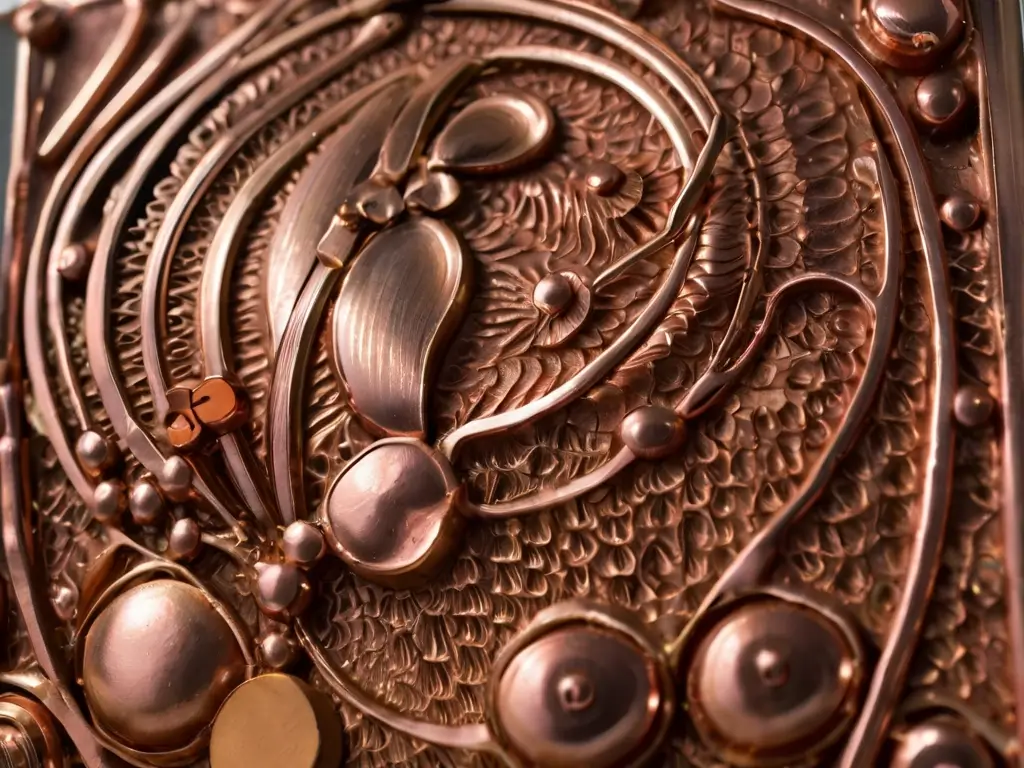
Copper is a popular metal used in everything from electrical wiring to cookware due to its high conductivity and durability. However, copper can be quite expensive, so many manufacturers use a thin layer of copper plating over a cheaper base metal instead. But how can you tell if an object is made of solid copper versus just being copper plated? There are several techniques you can use to determine whether that copper-colored item is the real deal or just a cheap imitation.
1. Check the Color and Finish
One of the easiest ways to spot a copper plated object is to take a close look at its color and surface finish.
Genuine copper has a distinctive reddish-brown hue that some describe as salmon pink. The color is slightly metallic with a subtle shine. Copper also develops a unique patina as it ages, turning a greenish-blue color from oxidation.
In contrast, copper plated items will have a thinner layer of copper on the surface. This results in a paler, washed out copper tone compared to real copper. The plating may also be uneven, resulting in a blotchy appearance.
Examine the object for any signs of a different base metal peeking through at the edges or parts where the plating is damaged or worn away. Iron or steel bases will look gray, while brass or bronze bases show through with a yellowish glint.
2. Consider the Weight and Density
Copper is quite dense, so solid copper objects will feel substantially heavy for their size. Copper plated items, on the other hand, are lighter since they are composed of cheaper and less dense base metals on the inside.
If you have two items of similar size and can compare their heft, the heavier one is likely made of real copper. Gauge whether an object seems suspiciously light given its look and dimensions.
Density tests are another option. Submerge a copper object in water to see if it sinks readily. The more effortlessly it sinks, the greater its density. Copper plated pieces containing less dense metals will sink much slower in water.
3. Test the Magnetism
Copper is a non-magnetic metal, while many base metals used for plating are magnetic to some degree, like steel or nickel.
You can test an object’s magnetic properties by seeing if a refrigerator magnet sticks to its surface. If the magnet clings tightly, the object is definitely not made of solid copper.
Note that a very strong rare earth magnet may cling weakly to pure copper due to induced magnetism. So be sure to use a standard low-power magnet for the most accurate results.
4. Examine the Conductivity
Copper is the second most conductive metal after silver, making it prized for use in electrical wiring. While copper plating will still conduct electricity, it won’t transmit energy as efficiently as solid copper.
You can get a rough idea of an object’s conductivity by touching it to an ice cube. Real copper will melt the ice much faster as it rapidly draws heat away. Copper plating may still melt ice, but at a perceptibly slower pace.
For a more scientific test, use a multimeter to measure electrical resistance. Copper will have extremely low resistance, while plated metals will measure significantly higher. Just be sure to clean metal surfaces first to reduce false readings.
5. Try Sanding or Scraping the Surface
If you want to conclusively determine whether an item is solid copper or just surface plated, try abrading through the outer layer. Use fine grit sandpaper or a sharp blade to gently scratch the surface.
Real copper will show the same color and properties all the way through. But copper plating will quickly give way to reveal the true base metal underneath the thin exterior coating.
Just be careful not to damage the object, as this is an invasive test. Limit abrasion to a small, inconspicuous area to minimize any visible marks left behind.
6. Identify Manufacturing Marks and Labels
In many cases, copper plated items will be labeled as such or marked with manufacturing codes or logos. This is done to identify pieces that are not solid copper, as this affects the item’s value.
So inspect objects closely to look for any small print hallmarks, stamps, or etched numbers that may indicate plating. Terms like “heavy plate”, “electroplate”, or a copper purity less than 99% confirm the item is not made wholly of copper.
Conversely, pure copper pieces will sometimes be marked “solid copper”, “pure copper”, “99-100% Cu”, or with the Cu chemical symbol. Look near seams, under bases, or on any covered sections.
7. Consider Price and Application
When unsure between copper and copper plated items, think about the price and intended use of the object.
Solid copper tends to be considerably more expensive due to the higher value of the material. So very cheap copper-hued items likely utilize plating over a cheaper base.
The application offers another clue. Copper plating is most often used for decorative items where the appearance is what matters most. High-end cookware, plumbing, and wiring will be made of solid copper for maximum performance.
8. Seek Out a Professional Appraisal
If you need an absolutely definitive evaluation of a copper object, seek professional assistance. Jewelers, antiques dealers, and metalsmiths may be able to appraise an item’s composition using skills and tools not available to the average person.
This could involve chemical testing of the metal, precision measurements of mass and density, electrical resistance values, or examination under high magnification. In some cases, they may even take a small sample from an inconspicuous area for materials analysis.
Professional appraisal gives you the most certainty, but also comes with fees for the expertise. So reserve this method for when you need a copper object’s composition conclusively identified.
Evaluating Copper Purity
When dealing with high-value copper items or conducting scientific testing, it’s important to understand how copper content and purity are measured.
Copper Grades
- Pure Copper: 99.9-100% copper content
- High Grade Copper: 99.8-99.9% copper content
- Oxygen-Free Copper: 99.95-99.99% copper, no oxygen
- Commercial Grade Copper: 99.3% copper content
- Lower Grades: Less than 99% copper content
Anything less than 99% should be considered copper plated or alloyed rather than pure copper.
Common Copper Alloys
- Brass: Copper and zinc
- Bronze: Copper and tin
- Nickel Silver: Copper, nickel, and zinc
Copper Weight Measurements
- Pennyweight: 1.555 grams
- Troy Ounce: 31.1 grams
- Avoirdupois Ounce: 28.35 grams
- Pound: 373 grams
Heavier copper items can indicate purer compositions, so understanding copper weights is helpful.
Maintaining and Protecting Copper Pieces
Once you’ve determined that an object is real, solid copper, you’ll want to keep it looking its best. Here are some tips for maintaining and protecting your copper:
- Gently clean copper with mild dish soap and water to remove dirt and oils. Avoid harsh chemicals or abrasives.
- Apply a thin layer of paste wax, petroleum jelly, or lacquer to protect copper surfaces from excessive tarnishing.
- Use brass, chrome, or stainless steel polishes formulated for copper if oxidation occurs. Avoid polishes with bleach or ammonia.
- Store copper in sealed bags or boxes to limit air exposure and humidity that accelerates corrosion. Add anti-tarnish strips for longer protection.
- Display copper out of direct sunlight and away from salt air to minimize photodegradation and chloride corrosion.
- Be extremely careful if soldering or welding copper pieces to avoid damage from excessive heat. Use low temperature silver bearing solders.
With proper care, genuine copper objects can last for generations and develop a beautiful patina over time. By knowing what to look for, you can find real copper pieces to enrich your life and become family heirlooms.
References
- The Copper Development Association – Information on properties, standards, and applications of copper: https://copperalliance.org/
- ASTM B187 – International standards for copper, copper alloys, and copper plating processes: https://www.astm.org/Standards/B187.htm
- Copper Development Association – Copper and Copper Alloy Casting, Classification, and Chemistry Specifications: https://copperalliance.org/copper-standards/
- The Balance – Overview of copper purity grades for jewelry and bullion: https://www.thebalance.com/metal-profiles-copper-2343589
- Ganoksin – Jewelry making information about copper alloys, solders, and plating: https://www.ganoksin.com/article/working-with-copper/
- Science Direct – Research on conductivity testing for analysis of copper purity: https://www.sciencedirect.com/topics/engineering/copper-conductivity
- Copper.org – Details on corrosion and prevention methods for copper: https://copper.org/education/corrosion/
- The Spruce Crafts – Guide to caring for and maintaining copper objects: https://www.thesprucecrafts.com/how-to-care-for-copper-4046758