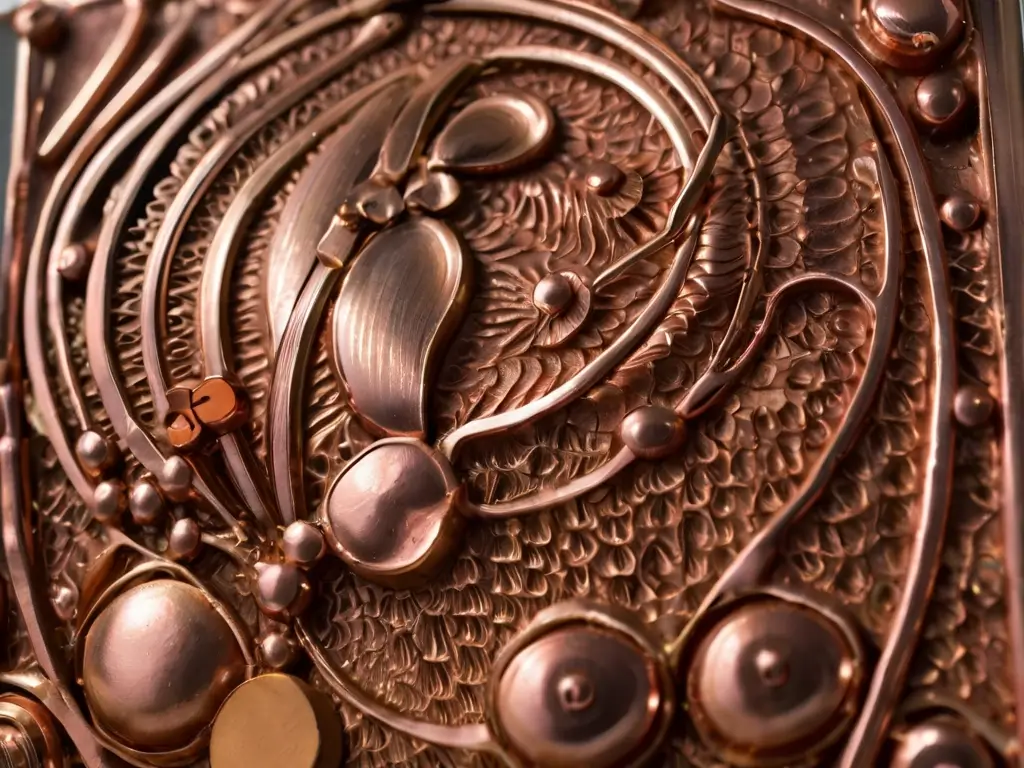
Metal plating is the process of depositing a thin layer of metal onto the surface of another metal to provide protection or enhance aesthetics. While plating with precious metals like gold and silver produces beautiful finishes, it can be incredibly expensive.
When cost is a major factor, fortunately, more affordable plating options still provide excellent corrosion resistance, wear resistance, and an attractive metallic finish. zinc plating is generally considered one of the most cost-effective options for metal plating. Zinc plating provides good corrosion resistance and is commonly used for protecting steel and iron surfaces.
Metal Plating
Metal plating has been used for centuries to coat objects in precious metals as decoration. However, modern metal plating processes are used for far more than just aesthetics. Industrial metal plating is commonly used to protect metals against corrosion and wear. The plating layer creates a physical barrier between the environment and the underlying base metal.
Some of the key benefits provided by metal plating include:
- Corrosion resistance – The plating metal protects against rust, tarnish, and chemical reactions.
- Wear/scratch resistance – Plating provides a hard outer layer that resists wear and abrasion.
- Improved solderability – Plated parts can be more easily soldered than bare metals.
- Enhanced conductivity – Plating ensures good electrical contact between components.
- Decorative appeal – Plating provides an attractive, shiny metallic finish.
- Improved hardness – Plating can increase surface hardness and strength.
There are various methods used in the plating process, but electroplating is the most common. This involves submerging the part to be plated in a solution containing the plating metal, then applying electrical current to induce the dissolved metal ions to adhere to the part’s surface.
Plating metals commonly used include copper, tin, zinc, nickel, chromium, cadmium, and precious metals like gold, silver, and platinum. The choice of plating metal depends on the desired properties and appearance.
Factors That Influence Plating Costs
While plating with precious metals is expensive, there are economical options for protective and decorative plating. However, costs can vary widely depending on these key factors:
- Type of plating metal – More valuable metals like silver cost more than zinc or tin.
- Thickness of plating – More metal equals higher costs. Thicker platings provide longer lifespan.
- Size of parts – Larger surface areas require more plating material.
- Complexity of parts – Intricate shapes make plating more difficult. Simple geometries cost less.
- Plating process – Some methods like electroless plating are more expensive.
- Required surface prep – More corrosion or polishing steps increase costs.
- Production volume – High volumes benefit from economies of scale.
When evaluating affordable plating options, you must balance your requirements for corrosion and wear resistance, appearance, and lifespan with the realities of your production budget.
Zinc Plating – The Most Economical Option
For many applications where cost is critical, zinc plating provides an optimal combination of affordability, corrosion protection, and attractive appearance. Zinc is one of the least expensive plating metals. It provides cathodic protection for the underlying steel or iron substrate, meaning it sacrifices itself to prevent corrosion of the base metal.
Zinc plating is commonly used in high-volume production applications like automotive parts, fasteners, wire products, and metal stampings. It has a pleasing shiny silver-gray finish when new, which gradually dulls to a matte gray.
There are several zinc plating processes:
- Electrogalvanized – Parts are submerged in a zinc electrolyte solution and plated via electrodeposition. This is the most common method.
- Hot-dip galvanized – Dipping parts in molten zinc. Provides thicker coatings than electrogalvanizing.
- Mechanical plating – Zinc is “cold sprayed” onto parts through pressurized nozzles. Good for fast plating.
- Zinc flakes – The part is dipped in a paint containing zinc flakes for cost-effective corrosion protection.
Cost factors: For electrogalvanized zinc plating, costs typically range from $0.50- $2.50 per square foot, depending on volume and part size.
Advantages: Excellent corrosion protection, low cost, good wear resistance.
Disadvantages: Matte gray finish lacks luster. Requires chromating for yellowish appearance. Shorter lifespan than some platings.
Nickel Plating – The Attractive and Durable Choice
Nickel plating provides an exceptionally smooth, shiny finish while also offering excellent corrosion and wear resistance. It is a popular choice when good looks are a priority but cost is still a consideration.
Nickel plating produces a lustrous metallic finish that maintains its beauty over time. It is harder and more durable than other affordable platings like zinc and tin. There are a few types of nickel plating:
- Bright nickel – Very shiny, reflective finish. Also called nickel-bright.
- Sulfamate nickel – Moderate shine but excellent corrosion resistance.
- Electroless nickel – Uniform plating thickness on complex geometries.
Nickel is typically plated over a copper, brass or zinc undercoat to provide better adhesion and smoothing out the surface. Bright nickel plating costs a bit more than the other nickel options due to the extra polishing steps required.
Cost factors: Nickel plating costs range from $1 – $5 per square foot on average. Plating time impacts costs.
Advantages: Attractive bright finish, excellent wear/corrosion resistance, durable.
Disadvantages: More expensive than zinc or tin. Can be prone to stress cracking failures.
Tin Plating – The Low-Cost Alternative
Tin plating provides good corrosion protection and solderability while being one of the most affordable plating options. It produces a shiny silvery-white finish when new which gradually dulls over time. Tin is softer than other plating metals – about the same hardness as aluminum.
Key tin plating processes:
- Electroplating – Most common. Parts are submerged in electrolyte and current applied.
- Hot dipping – Dipping in molten tin. Simple but can’t coat complex geometries.
- Electroless plating – Autocatalytic process without electric current. Good for plastics.
Tin coatings are typically very thin, often applied over copper or brass. The thin layer limits wear resistance. Tin whiskering can be an issue requiring mitigation steps.
Cost factors: Tin plating costs around $0.75 – $2 per square foot on average. Faster plating times reduce costs.
Advantages: Inexpensive, good corrosion protection for copper alloys, easy soldering.
Disadvantages: Poor wear resistance, prone to whiskering, dull appearance over time.
Other Economical Plating Options
Beyond the most common low-cost platings above, there are a few other options that can provide affordable corrosion protection, wear resistance, or decorative finishes:
Chromium Plating
- Produces a bright, shiny finish. Good corrosion and wear properties. Costs more than zinc or tin but less than nickel. Can have health risks without proper controls.
Cadmium Plating
- Offers excellent corrosion protection, especially in marine environments. Comparable cost to zinc plating. Toxicity is a major environmental concern. Use is restricted in many countries.
Copper Plating
- Warmer reddish appearance than nickel. Lower cost but still provides decent corrosion protection. Often used as undercoat for other platings.
Silver Plating
- Provides a beautiful bright finish at a lower cost than solid silver. Very thin coatings minimize material costs. Does tarnish over time.
Lead-Tin Plating
- Common for electronics applications needing good solderability. Contains toxic lead requiring strict controls.
Choosing the Most Cost-Effective Plating
Selecting the right plating involves balancing performance requirements with production budget realities. Keep these tips in mind:
- Match plating to application – Consider the expected lifespan, corrosion risks, friction and wear exposure, etc. Don’t overspecify plating if not needed.
- Weigh thickness needs – Thin platings like tin minimize material costs but sacrifice durability. Thicker platings last longer but cost more.
- Factor in part size/geometry – Simple shapes allow faster, cheaper plating. Very small parts or intricate geometries make plating more difficult and expensive.
- Consider final appearance – If high luster and shine is unimportant, cheaper matte finishes like zinc may suffice.
- Review environmental regulations – Plating options may be restricted in some regions due to toxicity or disposal concerns.
- Get quotes from multiple platers – Prices can vary significantly. Find a plater that specializes in high-volume, cost-effective plating.
Prioritizing where you really need performance, lifespan, and aesthetics allows you to optimize plating selectively on key surfaces and components while utilizing more affordable plating in less critical areas. With some careful planning, you can implement a smart plating strategy that protects your parts while also protecting your budget.