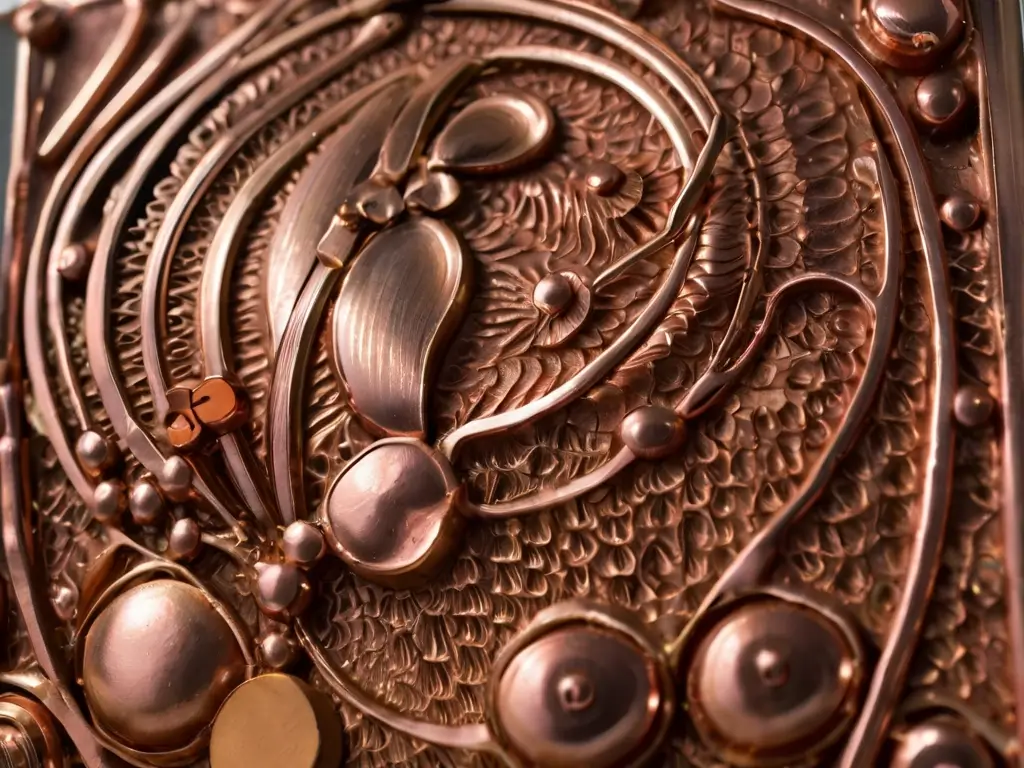
Preparing copper surfaces correctly is crucial for achieving flawless plating results. Proper cleaning removes oxidation, lacquers, oils, and other contaminants, allowing the plating solution to adhere evenly across the entire surface. With some simple cleaning steps, you can get copper ready for show-quality chrome, nickel, tin, or other platings.
Cleaning Copper for Plating
Copper readily oxidizes when exposed to air, forming a layer of copper oxide that interferes with plating adhesion. Other barriers like lacquers, oils, dust, and grime also get in the way. That’s why thorough pre-plating cleaning is a must.
The goal is to completely strip the copper down to a pure, active metal surface. This allows the plating solution to interact directly with the copper. With proper cleaning, the deposited metal layers will bond tightly and evenly to the copper substrate.
Cleaning procedures vary slightly depending on the copper item’s size, shape, and existing coatings. But the basic process involves:
- Identifying the metal
- Testing for lacquer
- Washing
- Lacquer removal (if needed)
- Creating a cleaning paste
- Scrubbing with the paste
- Rinsing
- Drying
With the right supplies and techniques, you can easily clean copper for flawless platings every time.
Step 1 – Verify It’s Copper
Not all copper-colored items are pure copper. Many have a copper outer layer but an inner core of different metal. These won’t plate properly unless you expose the copper surface.
Use a magnet to test if your item is solid copper or just copper-plated:
- If the magnet sticks strongly, the item is likely copper-plated steel or iron. You’ll need to file, sand, or chemically strip the outer coating to expose the copper underneath.
- If the magnet barely sticks or doesn’t stick at all, the item is pure copper or has a very thick copper layer. This is ideal for plating.
Copper is non-magnetic, while steel and iron are strongly magnetic. This makes the magnet test very useful for identifying copper plating.
Items like copper wiring, plumbing, jewelry, and craft pieces are often solid copper. While decorative items like vases, candlesticks, and lamps are frequently just copper-plated.
Knowing exactly what kind of copper you’re working with is crucial for getting flawless platings. Don’t skip this step!
Step 2 – Check for Lacquer
Many copper items have a clear lacquer coating applied to slow oxidation and prevent tarnishing. Lacquer seals the surface, making it hard for plating solutions to adhere properly.
Checking new copper pieces for lacquer is essential. There are a couple ways to test:
Use vinegar and baking soda:
- Place a few drops of white vinegar on the copper surface, then sprinkle on some baking soda.
- If the copper surface foams up and becomes brighter, the lacquer has been dissolved and the copper is bare.
- If there is no reaction, the lacquer coating is likely still intact.
Try scraping with a knife:
- Gently scrape the copper surface with the corner of a knife blade.
- If copper debris comes up, there’s no lacquer present.
- If the surface is just scored without debris, lacquer is still there.
Once you’ve determined that lacquer is present, it will need to be removed before plating can begin.
Step 3 – Wash the Copper
Whether lacquered or bare, copper surfaces need to be thoroughly washed before plating. This removes oils, dirt, grime, and any other contaminants.
For solid copper items:
- Soak the item in warm water mixed with a few drops of dish soap.
- Let soak for 5-10 minutes, using a soft brush to gently scrub away any debris.
- Rinse thoroughly under warm running water.
- Dry completely with a clean microfiber cloth.
For copper-plated items:
- Avoid submerging, since water can seep under plating layers and cause damage.
- Instead, use a damp microfiber cloth with a dot of mild dish soap to gently clean the surface.
- Take care around edges and seams where plating might be compromised.
- Rinse with a fresh damp cloth and dry thoroughly.
Proper washing removes contaminants from the surface while avoiding damage to any existing platings. It prepares the copper for the next steps.
Step 4 – Remove Lacquer (If Needed)
If your copper piece tested positive for lacquer, it will need to be removed prior to plating. There are a couple effective methods:
Boiling in baking soda:
- Fill a saucepan with water and stir in a few tablespoons of baking soda.
- Bring the mixture to a boil.
- Using copper or stainless steel tongs, carefully submerge the copper item.
- Boil for 20-30 minutes, until the lacquer coating lifts away.
- Remove the copper and let it cool and dry fully.
Chemical stripping:
- Purchase a commercial lacquer remover or solvent like acetone.
- Apply a thick layer to the copper according to product directions.
- Let it soak in for 5-10 minutes until the coating blisters.
- Scrub away the softened lacquer with a plastic bristle brush.
- Rinse thoroughly and allow to dry.
Sanding:
- Use 150-220 grit sandpaper to gently scuff the entire lacquered surface.
- Take care not to scrub all the way down to bare copper.
- The goal is to rough up the lacquer so cleaners and plating solutions can penetrate.
- Wipe away all sanding dust.
Once the lacquer is removed, wash the copper again before moving to the next step.
Step 5 – Make a Cleaning Paste
For removing oxidation and really digging into copper pores for optimal plating prep, a mildly abrasive baking soda paste works wonders.
To make the cleaning paste:
- Mix 3 parts baking soda with 1 part white vinegar in a bowl until a thick paste forms.
- The paste will fizz and bubble slightly. This is the cleaning action you want!
Alternatively, try this paste:
- Mix 2 tablespoons salt with 6 tablespoons flour.
- Slowly stir in 1/4 cup white vinegar until a paste forms.
Store any extra paste in a sealed container in the fridge for a few weeks.
Step 6 – Apply the Paste
Liberally apply the cleaning paste to all areas of the copper with a plastic spatula or soft brush.
Be sure to scrub it into:
- Grooves
- Edges
- Seams
- Intricate details
- Textured areas
The paste will begin actively foaming and releasing bubbles. This means it’s working to dissolve oxidation and embedded grime.
Allow the paste to sit for at least 10 minutes on lightly tarnished pieces. Heavily oxidized copper may need 20-30 minutes or more to lift all the buildup away.
Periodically spread the paste around to work it into all the nooks and crannies. Add a bit more paste to any areas that aren’t actively bubbling.
Step 7 – Polish the Copper
Once the paste has had time to lift away oxidation, it’s time to polish off any remaining residue.
For flat, smooth copper surfaces:
- Use a microfiber cloth to vigorously buff the paste away.
- Rub following the grain direction of the metal.
- Switch to a new area of the cloth as needed.
For detailed copper pieces:
- Use an old toothbrush, cotton swabs, or soft bristle brush to work the paste out of intricate areas.
- Q-tips can help get into small seams and crevices.
- Avoid using anything that could scratch the copper.
Keep polishing until all traces of the paste are gone and the copper shines with a bright finish.
If any dark oxidation remains, reapply more paste to those spots for another round of cleaning.
Step 8 – Rinse and Dry
The final step is rinsing away all remaining residue so the copper is perfectly clean for plating prep.
After polishing, thoroughly rinse the entire piece under warm running water. Use a soft brush or cloth to gently remove any clinging particles.
Dry the copper completely with a clean, soft microfiber cloth. Ensure no moisture remains on the surface or in crevices.
It’s also wise to wear cotton gloves while handling the freshly cleaned copper to prevent new oils and contaminants from transferring back on before plating.
Tips for Achieving Flawless Results
Follow these tips and best practices for getting your copper pristinely prepped for professional-quality platings:
- Work in a clean, dust-free area to avoid new contamination.
- Use plastic, wood, or copper tools instead of steel that could scratch the surface.
- Avoid touching cleaned areas with bare hands/fingers.
- Be patient and allow the paste to work fully to lift all oxidation.
- Rinse, dry, and plate the copper immediately after cleaning while the surface is active.
- Apply plating solutions according to precise manufacturer directions.
Common Cleaning Mistakes
It’s easy to make missteps when prepping copper for plating. Watch out for these common pitfalls:
- Not removing all lacquer from the copper surface
- Allowing cleaned copper to sit unplated, allowing new oxidation to form
- Contaminating the surface with oils from bare hands
- Using steel tools that scratch the copper
- Failing to reach intricate crevices with paste
- Not rinsing fully to remove all paste residue
- Skipping key cleaning steps to save time
Rushing the process or taking shortcuts will show in the final plated finish. Taking your time pays off.
Achieving Gorgeous Platings
With proper copper cleaning beforehand, you can achieve stunning chrome, nickel, gold, or other platings. The plating metals will adhere seamlessly, coating the copper in a flawless, mirror-like finish.
While it takes time and care, cleaning copper thoroughly before plating is worth the effort. Follow these steps, use the right supplies, and avoid common mistakes. With practice, you’ll get professional-level results.
The brilliant gleam of a perfectly plated copper piece makes all that polishing and scrubbing worthwhile. Use these cleaning techniques and you’ll be amazed by the gorgeous platings you can create.