The sleek, dark allure of black chrome has made it a popular finish for automotive trim, motorcycle parts, and other decorative metal surfaces. But beyond just looking cool, black chromium imparts a wear-resistant finish that protects against corrosion and abrasion. While professional plating shops have long provided black chrome services, advancements in electroplating technology have enabled more hobbyists to try DIY black chrome plating at home.
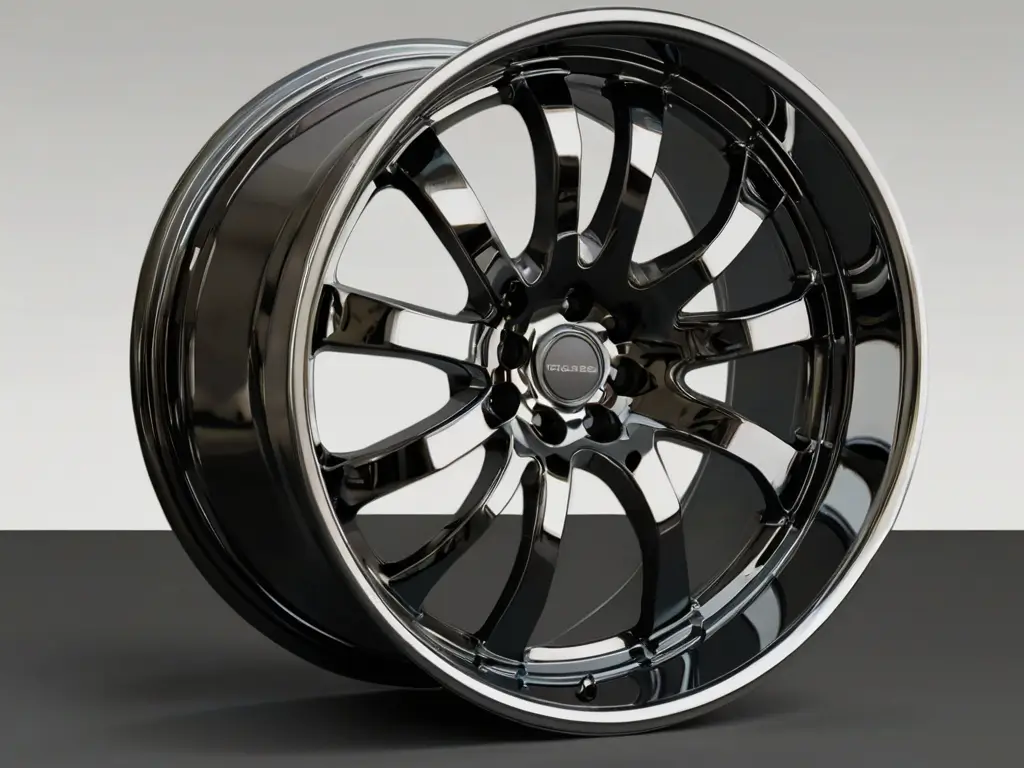
So whether you want to restore a vintage bumper, customize your motorcycle, or simply experiment with new plating techniques, understanding the black chrome process is essential.
Black Chrome Plating
Black chrome, also called black chromium, refers to a dark gray to black metallic plating finish deposited onto a metal substrate through electroplating. Rather than just a solid layer of black paint or powder coating, it consists of actual chromium metal that has been darkened using proprietary plating additives.
Compared to decorative chrome plating which produces a bright, mirror-like finishing, black chrome offers a darkened, tinted effect. It provides an attractive matte to low luster finish, deeper and richer than black oxide finishes. The deposited black chromium layer is also exceptionally hard and corrosion resistant.
While the process has been used since the 1920s, especially in the automotive industry, black chrome became popular in the 1950s and 60s. It was a staple decoration on classic cars, motorcycles, and appliances during that era. And today, black chrome remains a desired finish for restoring vintage items or customizing modern metal objects.
From a technical perspective, black chrome plating involves electroplating a layer of chromium onto a metal surface. During the plating process, specialized organic compounds are added to the plating bath, causing the typically shiny chromium layer to deposit with a black or gray hue. Multiple plating layers are applied to achieve an opaque, dark coloration.
The specific processes involved in black chrome plating include:
- Surface preparation – Thorough cleaning and polishing
- Electroplating in a temperature-controlled chromic bath with blackening additives
- Applying multiple layers to build up opaque finish
- Post-plating rinsing and finishing
Now let’s explore each of these steps in detail, including options for both professional plating and DIY methods.
Step 1 – Preparing the Surface
As with any plating project, surface preparation is crucial for successful black chrome plating. The substrate metal must be thoroughly cleaned and conditioned for the chromium layer to properly adhere. Any oils, dirt, rust, or existing coatings will interfere with plating adhesion and cause defects.
Cleaning
Start by using solvent cleaners or degreasers to remove any oils, grease, or grime from the surface. Commonly used degreasing agents include acetone, brake cleaner, or alkaline soaps. For stripped-down surfaces, a soak in hot soapy water may suffice.
For motor parts or metals exposed to fuels or oils, a stronger carburetor or brake cleaner will dissolve and remove stubborn hydrocarbon buildup. Repeat the cleaning process until the surface is free of any visible contamination.
Descaling
If the metal surface has visible rust, oxidation, or mineral deposits, descaling will be necessary. This involves stripping the surface down to bare, clean metal.
For light surface rust, a wire brushing or abrasive pad may suffice. But heavier rust buildup will require sandblasting, chemical rust removal, or acid pickling to fully descale.
Once descaled, rinse and dry the surface thoroughly. Then repeat the degreasing process. The metal should appear silvery and scratch-free before plating.
Polishing
For a smooth, mirror-like black chrome finish, the underlying surface should be polished to a uniform smoothness.
Use a buffing wheel or microfiber cloths to apply polishing compounds, removing any fine scratches or blemishes in the metal. The more polished the surface, the glossier the black chrome finish.
Achieving a flawless polish requires working through progressively finer grit compounds, usually starting around 600 grit up to 2000+ grit diamond paste. Take care not to overheat or work harden the surface during polishing.
Masking
For selective plating of only certain surface areas, masks will be required to cover sections that should remain unplated. Tape, plater’s putty, or vinyl masks can be applied to cover machined surfaces, bolt holes, or electrical contacts.
Activation
Finally, the prepared surface is chemically activated just prior to plating. This improves the chromium layer adhesion and uniformity.
A typical chromic acid activation bath etches the surface and leaves an active coating. Rinse thoroughly in deionized water after activation.
DIY Method
For home black chrome projects, chemical surface prep solutions are available to simplify cleaning, degreasing, descaling, and activation steps. Products such as Caswell Inc Pre-Plate kits provide all the necessary solutions for cleaning parts prior to plating.
Step 2 – The Electroplating Process
With the surface prepped, the actual electroplating process can begin. This involves submerging the metal object to be plated in a temperature-controlled chromic acid bath containing chromium anodes.
When an electric current is applied, the metal substrate serves as the cathode while the anodes supply chromium ions. The chromium ions are attracted to the cathode, depositing in a thin black layer on the metal surface.
The Electroplating Bath
The plating bath consists of chromic acid, water, and proprietary organic additives that cause the chromium finish to deposit black rather than shiny silver.
The bath makeup and plating variables will differ between professional black chrome processes. But a typical bath composition is:
- 250-500 g/L chromic acid
- 1-5 g/L blackening additives
- DI water for desired volume
Operating temperatures range from 35-65°C, with higher temperatures yielding faster plating rates. Bath pH is maintained between 0.5-2.
Anode and Cathode
The anode consists of high purity chromium metal, which supplies the chromium ions to the bath during plating. It is slowly dissolved as the metal substrate is plated.
The cathode is the metal object to be black chrome plated. It is immersed in the bath and connected to the negative terminal of the rectifier or power supply.
Using conductive hanging wires or clips, multiple small parts can be rack plated simultaneously, making the process efficient for high volume plating jobs.
Power Supply
Applying a direct current electrical supply causes the positively charged chromium ions to migrate from the anode and deposit onto the negatively charged cathode.
A rectifier is typically used to provide the proper low voltage, high amperage DC power. For larger tank sizes, current densities between 30-50 A/ft2 are commonly used.
Higher current densities increase plating speed but may reduce quality if too high. Pulsed current or periodic reverse plating can improve results.
Controlling the Process
Throughout the plating process, the bath parameters must be monitored and maintained within the optimal ranges.
- Temperature should be kept consistent, usually between 35-65°C.
- pH is measured and adjusted as needed, typically to between 0.5-2.
- Anodes must be replaced before being fully consumed to avoid contaminating the bath.
- Bath chemistry should be analyzed and additives replenished periodically.
This ensures each plating run achieves repeatable, high quality black chrome deposits.
DIY Plating
While professional plating lines use large tanks with stringent controls, small-scale black chrome plating can be done with DIY equipment.
Using a rectifier, plastic tank, chromic acid bath, and chromium anodes, home plating systems can produce black chrome finishes on a budget.
Safety is critical when dealing with the hazardous chemicals involved. Research proper handling procedures and wear appropriate PPE.
Step 3 – Building Up the Black Chrome Layer
A single plating run will not achieve an opaque, jet black finish. Instead, multiple layers of black chromium must be slowly built up. Proper layering is key to the aesthetic appearance and performance of the black chrome finish.
Layer Thickness
Each layer of black chromium is quite thin, typically 0.05-0.3 microns. This is in contrast to decorative chrome plating which can be over 25 microns thick.
The thin layers are necessary for the blackening additives to have the proper effect throughout the coating thickness. Thicker layers would appear gray rather than fully black.
Number of Layers
Due to the thinness of each layer, multiple individual platings are needed to build up an opaque, dark black finish.
10-30 layers may be applied, though 15-25 layers is typical for most black chrome applications. This achieves a total plating thickness between 0.75-7.5 microns.
Plating Cycles
Between each plating run, the part must be thoroughly rinsed and cleaned. This prevents bath contamination that could ruin subsequent layers.
The part may also be re-activated or pre-dipped prior to each run. Automated plating lines with multiple tanks streamline this repetitive cycling process.
For DIY efforts, manually swapping the part between baths requires diligence. But with patience, the layers slowly combine to create a lustrous black finish.
Color Progression
With each repeated plating cycle, the color progresses from light gray, to semi-transparent black, to finally an opaque jet black finish.
Monitoring this color change helps gauge when the desired layering has been achieved. The final blackness depends on the number of layers.
Too few layers may appear dark charcoal in color rather than fully black. Too many layers increases cost and may start to appear more brownish.
Step 4 – Post Plating Procedures
Once the final black chrome layer has been deposited, a few finishing steps complete the plating process:
Rinsing
The black chrome plated part is removed from the bath and thoroughly rinsed with clean water. Inadequate rinsing can result in staining or contamination of the decorative finish.
For production plating, dedicated rinse tanks provide fresh DI water spray. Parts may also be swirled gently when rinsing to avoid water spotting.
Drying
After rinsing, the parts are allowed to fully dry. Forced air drying helps ensure no water droplets are left on the surface. No abrasive drying methods should be used.
Inspection
The plating quality and color should be inspected after drying. This ensures no defects are present before continuing to final finishing steps.
Any pinholes, blistering, burns, or lack of adhesion would require rework. But properly done black chrome has a flawless, mirror-like finish.
Polishing
While black chrome is designed to have a matte to low luster finish, a final polish can enhance the richness of the color and smoothness of the feel. Use gentle polishing and hand buffing only.
Sealing
An optional final step is to apply a protective sealant layer. This maintains the as-plated appearance while adding a barrier against corrosion, fingerprints, and tarnishing during use.
Spray-on or brush-on lacquers, waxes, or polyurethane coatings are suitable. Automotive clear coats also provide a durable sealing layer.
And with that, you can enjoy the completed black chrome plated part! The eye-catching black finish will now be protected from wear while giving your metal project a stylishly dark appearance.
Factors That Influence the Black Chrome Finish
Achieving a flawless black chrome plating job requires careful control of process variables. Here are some key factors to consider:
Surface Preparation
The underlying substrate has a direct impact on the plating results. Proper cleaning and polishing is essential, as any defects will translate through to the finish.
Bath Composition
The specific chemicals, amounts, temperature, and pH of the plating bath influence the color, hardness and plating rate. Minor variations in bath parameters will alter the final appearance.
Current Density
Too high of a current density during plating may burn the finish. Too low will cause slow plating. Dialing in the optimal current for the tank size and part geometry takes experience.
Agitation
Keeping the bath agitated prevents depletion zones around the part. But too much agitation can disrupt layer formation. Find the right balance.
Layer Thickness
Thinner individual layers avoid a gray hue, but require more cycles to build opacity. Thicker layers plate faster but may look less black.
Number of Layers
The final darkness and depth of color depends on the total number of plating cycles performed. More layers increase costs, so find the ideal balance.
Post Plating Steps
Rushing through rinse and drying steps risks water spotting or contamination of the finish surface. Take the time to do it right.
Careful control and experience with the nuances of the black chrome process are needed to achieve truly professional results. But with practice, stunning show-quality finishes can be attained.
Common Applications for Black Chrome Plating
Beyond just looking sleek and stylish, black chrome provides practical benefits that make it well suited for certain applications:
Automotive Use
The automotive industry was an early adopter of black chrome for its corrosion resistance and attractive finish. It remains popular for vintage car restorations and customizing modern vehicles.
Black chrome is commonly used on trim pieces, grills, bumpers, wheels, emblems, and other decorative exterior parts to give a unique look. The plating stands up well to road wear while preventing tarnishing.
Motorcycle Parts
Many motorcycle enthusiasts opt for black chrome replacement parts or custom plating components to match a dark colored bike. The blackened hardware fits the overall aesthetic and has a mean, aggressive look.
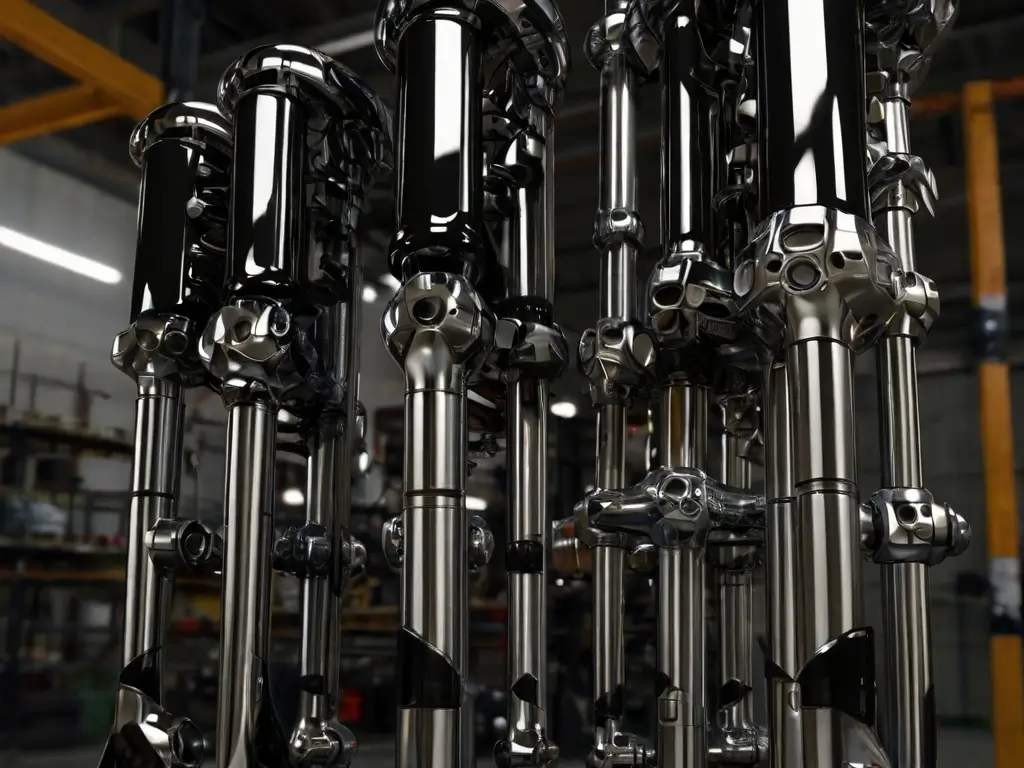
Exhaust systems, handlebars, frames, suspension, and engine components take on a radically different appearance when plated in black chrome rather than standard chrome. It aligns with a more hardcore biker style.
Bathroom Fixtures and Accessories
For a bold modern look, black chrome offers an appealing finish for faucets, shower heads, towel racks, and other bathroom hardware against lighter wall tiles.
It provides a richer, more unique appearance than common brushed nickel or oil-rubbed bronze finishes. The plating also withstands bathroom humidity and periodic water spray.
Tools and Hardware
Hand tools, toolboxes, nuts and bolts, and other utilitarian hardware get an attractive facelift when plated in black chrome. The finish hides wear while providing corrosion protection even under heavy use.
Jewelry
In jewelry design, black chrome creates an eye-catching backdrop for gems and stones. The deep black color allows brighter colors to pop. Black chrome chains, settings, and other jewelry components complement many gem materials.
Firearms
The tactical/military appeal of black chrome makes it ideal for use on firearms. It looks sleek combined with black anodized or parkerized metal parts. The plating also provides excellent protection for gun components that see heavy use.
For these applications and others, black chrome offers the ideal mix of aesthetics, durability, and practical functionality. The striking finish makes parts stand out from ordinary chrome.
Black Chrome Plating vs. Other Dark Finishes
Black chrome provides a unique plated metal finish, but other processes can also darken metal surfaces. Here’s how black chrome compares:
Black Oxide
Black oxide involves a chemical bath that converts the metal surface to magnetite, producing a matte black finish. It offers limited corrosion protection. Black chrome has higher luster and hardness.
Black Nickel
Electroless black nickel plating solution creates a black coating. It lacks the hardness and corrosion resistance of black chrome.
Gun Bluing
Bluing produces a black/gray finish by controlled oxidation of the metal surface. It is less abrasion resistant than black chrome.
Powder Coating
A powder coated paint layer can produce a smooth black finish. But it can chip and lacks the metallic appearance of plated black chrome.
Anodizing
Anodizing creates a black aluminum oxide layer on aluminum alloys. It only works with aluminum, while black chrome plates over many metals.
Painting
Directly painting metals black is simple but paint may chip and fade over time. Black chrome maintains its appearance and provides corrosion protection beneath the plating.
So for the most durable, attractive black metallic finish, black chrome really can’t be beat!
Factors to Consider Before Black Chrome Plating
While the benefits of black chrome plating are many, it isn’t necessarily the best choice for every situation. Here are some factors to consider:
Cost
Having parts professionally black chrome plated is more expensive than many other finishing options. The labor-intensive process requires greater process control and number of steps.
DIY Complexity
Attempting black chrome plating at home involves use of hazardous chemicals. Careful safety precautions are essential. Achieving consistent, quality results as a hobbyist can be challenging.
Permanence
Unlike paint or powder coating, chrome plating cannot easily be removed or changed. Parts must be stripped to bare metal to change from black chrome to another finish.
Masking Requirements
Any surface area that should not be plated must be fully masked prior to plating. Plastic parts, rubber gaskets, electrical contacts, and machined surfaces must be protected.
Part Geometry
The plating bath must fully penetrate complex shapes. Low current density areas may have poor coverage. Rack plating small parts is easier than large assemblies.
Environmental Impact
Black chrome does use toxic chemicals like chromium and produces hazardous waste. Proper handling and disposal is critical, increasing costs.
For many applications, however, the stunning black chrome finish outweighs these limitations. Just be sure to consider your specific project circumstances before pursuing plating.
Professional Black Chrome Plating Services
For those without the equipment, skills, or desire to tackle black chrome plating at home, utilizing professional plating shops is the best option.
Benefits of Professional Plating
- Achieve flawless, consistent results
- Avoid dealing with toxic chemicals
- Services for both small and large parts
- Polishing and prep work can be included
- Additional finishing like sealing is available
What to Look for in a Shop
- Years of black chrome experience specifically
- Capable of handling your part size and geometry
- Adherence to environmental regulations
- Detailed service menus and pricing
- Examples of high quality work
Where to Find Plating Services
- Local plating shops
- Large plating operations that do mail-in service
- Manufacturers already using black chrome plating
- Custom automotive and motorcycle shops
- Some metal fabrication businesses offer plating
The added cost of professional plating is often worth it for the expertise, safety, and hassle avoided. For critical components or visible surfaces, consider outsourcing to the experts.
Achieving the Perfect Black Chrome Finish
Black chrome plating requires meticulous process control and experience working with the various chemical baths involved. Mastering the technique takes practice and an eye for quality.
But the stunning black chrome finishes possible make it a rewarding process to learn for hobbyists and professionals alike.
Whether restoring a classic car or customizing new parts, black chrome offers a deep, lustrous finish that really makes metal surfaces stand out.
By understanding the steps involved and how process variables influence the results, you can dial in a flawless black chrome plating job. Use this guide to get started and develop your own black chrome expertise.
The striking black sheen you can achieve will give any metalwork an instant upgrade in aesthetics. Black chrome finishes will keep looking superb for years down the road.
So embrace your dark side, and give your next project a cool black chrome makeover! With the right skills and some patience, you will be chrome plating like a pro.