
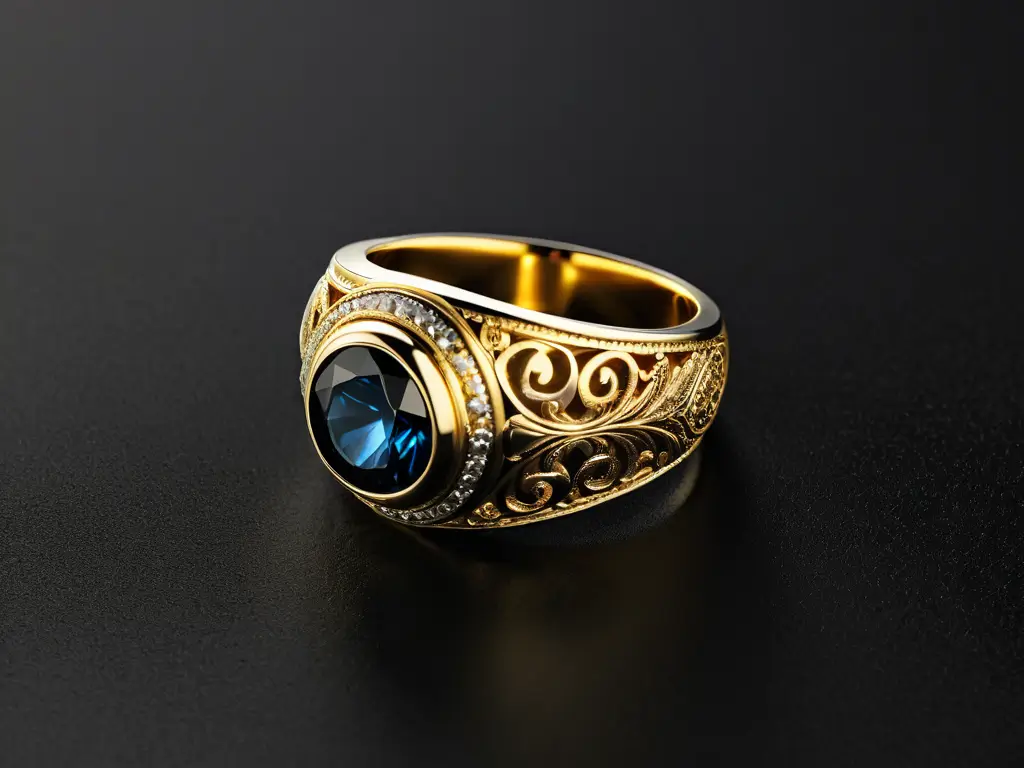
Silver and gold jewelry pieces can look remarkably similar at first glance. But upon closer inspection, their distinct properties become apparent. Silver tarnishes over time, developing a darkened patina, while gold maintains its bright, warm glow. If you have a beloved silver ring but wish it had the timeless radiance of gold, don’t despair. With the right techniques, you can give your silver ring a makeover with a lustrous golden finish.
Evaluating Your Options for Turning Silver into “Gold”
While it’s not possible to directly convert the silver metal itself into gold, there are ways to make a silver ring look like gold through coating and plating techniques. Here are the main methods to consider:
Gold Plating
Gold plating involves depositing a thin layer of gold onto the surface of the silver ring through electroplating. This is the most affordable option to give silver a gold-like sheen. However, there are some downsides:
- The gold layer is very thin – usually less than 1 micron thick. This means it can wear off relatively quickly with regular wear, requiring re-plating every 12-18 months.
- Plating won’t cover scratches or engraving marks underneath the surface. These will still be visible.
- The color may have a slightly different hue than solid gold.
- Plating won’t stand up well to knocks and abrasions. The gold layer can flake or peel.
Gold Vermeil
For longer-lasting results, gold vermeil is a better option. The process bonds a thicker layer of gold – 2.5 microns or more – over sterling silver. This provides more durability than regular plating. The gold will maintain its shine 5-10 times longer before needing re-coating. Vermeil also allows for a wider range of gold hues. The downside is it costs more than plating due to the extra gold required.
Gold Overlay
Also called gold filled or rolled gold, gold overlay involves mechanically bonding gold to the silver surface under heat and pressure. The gold layer is typically 10-15 times thicker than vermeil. This makes the finish much more durable and long-lasting, especially for rings that will be worn daily. Gold overlay can last 15-30 years before re-coating is needed. It’s pricier than vermeil but less costly than solid gold.
Solid Gold
For a permanent gold ring, a jeweler can melt down the silver ring and use the gold from it to cast a new solid gold ring. This is the most expensive option, but it will transform the ring completely into durable, non-tarnishing gold. The drawback is you lose the original silver ring design. The jeweler will have to re-create it in the new casting.
Deciding Between Plating, Vermeil, or Overlay Coating
How do you choose between the different gold coating methods for a silver ring? Here are some key factors to help determine the best option:
Budget – Plating is cheapest, vermeil is mid-range, and overlay is premium. If budget is a main concern, plating may be the most viable route.
Wear frequency – Plating works for occasional wear. For daily wear or an engagement ring, opt for vermeil or overlay to avoid constant re-coating. The extra durability is worth the investment.
Longevity – Plating fades fastest, followed by vermeil and then overlay. Think about how long you want the “gold” to last before considering a re-do.
Color tone – Overlay allows the widest range of gold shades from pale yellow to rose gold. Plating is more limited in tone options.
Importance of design – If preserving the exact design is paramount, coating is better than casting a new solid gold ring.
Environmental impact – Plating is considered the most eco-friendly process since it uses minimal gold.
Cost per wear – The higher initial cost of vermeil or overlay pays off over time when factoring in how long re-coating is avoided.
Step-by-Step Instructions for DIY Gold Plating at Home
If you decide to go the plating route, it’s possible to tackle the project at home with a simple gold plating kit. Here is a step-by-step guide:
Supplies Needed
- Silver ring to be plated
- Gold plating solution – contains gold salts dissolved in water
- Plating rectifier or battery charger
- Alligator clip wires
- Non-metallic container for plating solution
- Polishing cloth or buffing wheel
- Protective gloves and eyewear
Prepare the Ring
- Clean the ring thoroughly with mild soap and water to remove any residue. Rinse and dry completely.
- Use a polishing cloth or buffing wheel to buff away any scratches or tarnishes on the silver surface. This allows the gold to adhere evenly.
Set Up Plating Bath
- Pour the gold plating solution into a plastic or glass container, following kit instructions for quantity. Too much or too little solution can affect results.
- Attach the alligator clip at the end of the positive (anode) wire to a gold object, such as a gold ring or bar. This provides the gold ions for plating.
- Attach the negative (cathode) clip to the silver ring, which will receive the gold deposit.
- Position the gold object and silver ring several inches apart in the solution so they don’t touch.
Start Plating
- Plug in the rectifier or battery charger and switch it on to start the flow of electric current through the solution. Consult kit instructions for proper voltage setting.
- Let the ring plate for the recommended time, usually 5-10 minutes. Agitate the solution occasionally to disperse the gold ions evenly.
- Check on the color and thickness of the gold deposit. Re-plate for longer intervals if needed until satisfied.
Rinse and Polish
- Once plating is complete, remove the ring and rinse thoroughly with clean water.
- Dry the ring completely with a soft cloth.
- Use a polishing cloth to buff the plated ring to a brilliant shine.
With the right techniques and care, a silver ring can take on the luxurious glow of gold through plating. While not a permanent conversion, plating offers an affordable way to change up your silver jewelry’s look just when you need a new style.
Getting Your Silver Ring Professionally Gold Plated
While DIY plating can save money, you may prefer to have your ring professionally plated for higher quality results. Here’s an overview of the professional plating process:
Pre-planning – The jeweler will examine your ring to determine the best plating method and gold color match. You’ll discuss options to meet your budget and needs.
Design preservation – The jeweler will take care to mask any stones or intricate designs with a special tape or lacquer. This prevents plating buildup in detailed areas.
Surface preparation – Your ring will be thoroughly cleaned and buffed to create the smoothest foundation for plating adhesion.
Plating – The jeweler has professional equipment to evenly plate the ring per your specifications. Plating time is precisely controlled.
Finishing – Once plated, the ring is polished to a lustrous shine. Any protected areas are cleaned of masking material.
Care guidance – The jeweler will provide instructions on proper care to make the plating last as long as possible. Avoiding knocks, abrasions and chemicals is key.
While professional plating costs more than DIY, you benefit from an expert’s precision and quality control. Many jewelry stores offer plating services for under $50. Some department stores like Macy’s also plate in-house. It’s a quick way to refresh your silver ring with a fresh golden look.
Achieving a Custom Gold Hue with Gold Vermeil
If you’d like your silver ring coated in a specific gold tone beyond the standard yellow gold, gold vermeil offers more versatility. By adjusting the metals used in the plating process, gold vermeil can produce a wide spectrum of gold hues.
Warm yellow gold – Using 22K or 24K yellow gold creates a rich, traditional golden tone. This replicates a solid gold ring’s color.
Rose gold – Mixing copper with 18K yellow gold produces a pinkish gold shade. Varying the copper percentage controls the depth of the rosy tone.
White gold – Adding nickel and zinc to the plating formula yields a pale platinum-like gold color. No yellow gold is used for a clean white metal tone.
Two-tone gold – Combining yellow and white gold vermeil creates a striking two-tone look. Yellow gold on the band paired with a white gold plated top adds stylish contrast.
Antique gold – Trace metals like copper and silver are added to dull down the yellow gold, creating an old world, vintage gold finish.
When getting a ring gold vermeiled by a professional jeweler, be sure to communicate your specific color desires so they can adjust the plating formula accordingly. With some creative tweaks, gold vermeil can produce any shade of gold you crave.
Comparing Gold Vermeil vs. Gold Plating Durability
As discussed earlier, the main advantage of vermeil over regular plating is the extended durability of the thicker gold layer. Here’s a breakdown of how carat thickness impacts longevity:
- Gold plating – Just 0.2 microns thick, equal to 1/200th the thickness of a human hair.
- Light gold vermeil – 2.5 to 4 microns thick. This is 12-20 times thicker than plating.
- Heavy gold vermeil – 6 microns or more. This is 30+ times thicker than plating.
This increased density makes vermeil substantially more resistant to wear, tarnishing, and damage over time. In general, you can expect:
- Gold plating – 12-18 months before fading or wearing off. Requires re-plating.
- Light vermeil – 3-5 years of shine before re-coating needed.
- Heavy vermeil – 8-10 years before re-plating required.
However, durability depends heavily on proper care and exposure. Following professional recommendations to avoid knocks, chemicals, and storage in tarnish-prone materials helps maximize longevity. With proper maintenance, vermeil can realistically deliver 5-10 times the lifespan of basic gold plating.
Achieving a Permanent Gold Finish with Gold Overlay
For the longest lasting gold finish, gold overlay creates a substantial layer of bonded gold that mimics the properties of solid gold jewelry. Also called gold filled or rolled gold, the process fuses gold to a base silver metal under heat and pressure. The thickness and gold content classify the quality:
- 1/20 12K gold overlay – 5% gold bonded to base metal
- 1/20 14K gold overlay – 5.7% gold
- 1/10 12K gold overlay – 10% gold
- 1/10 14K gold overlay – 14% gold
- 1/20 means 1/20th, or 5%, of the metal’s weight is made up of the karat gold top layer. The higher the percentage of gold, the longer the finish will last before needing re-application. Typical gold overlay thickness ranges from 10-15 microns, compared to 2-6 microns for vermeil. This gives overlay substantially more durability and scratch resistance than other coating methods.
In general, you can expect gold overlay on a ring to last approximately:
- 1/20 12K overlay – 15-20 years
- 1/20 14K overlay – 20-25 years
- 1/10 12K overlay – 25-30 years
- 1/10 14K overlay – 30-35 years
For anyone wanting their silver ring to keep a permanent golden look with minimal maintenance required, gold overlay is the best solution. It avoids the fading and tarnishing issues of lower karat electroplated gold. The initial investment pays off over decades of lasting beauty and value.
Transforming a Silver Ring into Solid Gold
Short of discovering the mythical philosopher’s stone, true alchemy that converts silver directly into gold remains elusive. However, it is possible to transform your cherished silver ring into a solid gold version by having it re-cast using your existing gold. Here’s how the process works:
Assessing karats – The jeweler tests your silver ring to determine its precise silver purity content. This allows calculating how much useable gold metal can be reclaimed from melting it down.
Melting silver – Using a specialized torch or furnace, the old silver ring is melted down into liquid form so the metals can be separated.
Extracting gold – Chemicals like nitric acid are used to dissolve and filter out the silver, leaving behind gold sediment. Additional refining removes other base metals.
Alloying new gold – The recovered gold is melted and combined with metals like copper and silver to create a new solid gold alloy of your desired karat – typically 14K or 18K.
Casting the ring – The liquid gold is poured into a mold created from your original ring design. This re-forms the gold into your ring’s shape when cooled.
Finishing details – Once cast and cooled, the new gold ring is polished and fine details like engraving are re-created by hand.
Sizing – The ring is sized down or up by a jeweler if needed, since casting can result in small size variations.
The benefit of re-casting in solid gold is you keep your cherished ring design. The cost depends on the amount of gold reclaimed from the original silver ring. With some expert jewelery skills, silver accessories can be recycled into keepsake gold pieces.
Maintaining the Shine of a Gold Plated or Vermeiled Silver Ring
To keep a gold plated or vermeiled silver ring looking its best for as long as possible, proper care and cleaning are essential. Here are some tips for maintenance and storage:
- Remove the ring before exposing hands to perfumes, lotions, hair products or household chemicals. These can erode plating.
- When cleaning, stick to a mild soap and water. Avoid harsh jewelry cleaners and ultrasonic or steam cleaners.
- For polishing, use a soft cloth only. Avoid abrasive brushes or polishing compounds which can scratch plating.
- Take the ring off before swimming, bathing, or performing vigorous household tasks. Exposure to chlorine and abrasion speeds wear.
- Store the ring in a fabric-lined box or pouch, separated from other jewelry. This prevents scratching.
- Have the ring re-plated or vermeiled once fading, discoloration or scratches occur. Don’t wait until plating is fully worn off.
- Remove rings before applying sunscreen, insect repellent, or self-tanners. Chemicals can discolor plating.
With proper precautions, a plated or vermeiled silver ring can stay golden and lustrous for many years of enjoyment. Avoid knocks and chemicals, handle gently, and replate as needed.
Frequently Asked Questions
Can I have a silver ring plated with white gold or rose gold?
Yes, silver rings can be plated with white gold, yellow gold, rose gold, or a combination. The plating solution simply needs to contain the corresponding gold alloy metals to achieve the desired hue.
Does gold plating rub off?
With heavy use and over time, gold plating can wear down and start coming off, especially on the edges and undersides of rings. Higher karat gold vermeil and overlay last substantially longer than regular plating before wear shows.
Is gold filled the same as gold plated?
Gold filled and gold plated both involve a gold layer bonded over a base metal core. But filled gold uses 100-500 times more gold than plating. This makes gold filled much more durable and longer lasting.
Should I take off gold plated jewelry before showering?
It’s best to avoid exposing gold plated jewelry to water and chemicals like shampoo, soap, chlorine, perfume, etc. as it can cause plating to erode faster. Either remove plated rings before showering or be extra careful.
Can you wear gold plated jewelry in the pool/ocean?
It’s not recommended. The chemicals in pool water, saltwater, sunscreens, etc can damage and discolor plated gold over time. Take plated rings off before swimming for best longevity.
Conclusion
While a silver ring can never truly be turned into solid gold, applying specialty gold coatings come remarkably close to replicating the look and feel of the real thing. If your budget doesn’t allow for a solid gold replacement, consider the benefits of gold vermeil or overlay. With proper care and occasional re-plating, these methods can give your silver ring a permanent radiant golden makeover. So go ahead – give your silver jewelry a new lease on life with a gold finish transformation.
References
- Doyle, C. (2021). Gold Plating vs Gold Filling vs Rolled Gold. Doyle & Doyle Fine Jewelers. https://doyledoyle.com/resources/gold-plating-vs-gold-filling-vs-rolled-gold/
- The Ultimate Jewelry Guide. (n.d.). Gold Vermeil Jewelry Guide. https://www.theultimategem.com/gold-vermeil-jewelry-guide/
- International Gem Society. (n.d.). Understanding the Gold Vermeil Process. https://www.gemsociety.org/article/understanding-gold-vermeil-process/
- Eve’s Addiction. (2021). Gold Plated vs Gold Vermeil: What’s the Difference? https://www.evesaddiction.com/blogs/eves-addiction-style-guide/gold-plated-vs-gold-vermeil
- Tresor Paris. (2021). Gold Plated vs Gold Vermeil Jewellery: What’s the Difference? https://www.tresorparis.com/gold-plated-vs-gold-vermeil-jewellery/
- The Natural Sapphire Company. (2022). What is Gold Vermeil? https://www.thenaturalsapphirecompany.com/education/what-is-gold-vermeil/
- Riddle’s Jewelry. (2020). Gold Filled vs Gold Plated: What’s the Difference? https://riddlesjewelry.com/blogs/news/gold-filled-vs-gold-plated-whats-the-difference
- Calla Gold. (2020). Gold Filled vs Gold Plated – What is the Difference? https://callagold.com/gold-filled-vs-gold-plated-what-is-the-difference/
- International Gem Society. (n.d.). What is the Gold Overlay Process? https://www.gemsociety.org/article/what-is-gold-overlay/
- Eve’s Addiction. (n.d.). How to Care for Gold Plated Jewelry: 8 Tips. https://www.evesaddiction.com/blogs/eves-addiction-style-guide/how-to-care-for-gold-plated-jewelry


