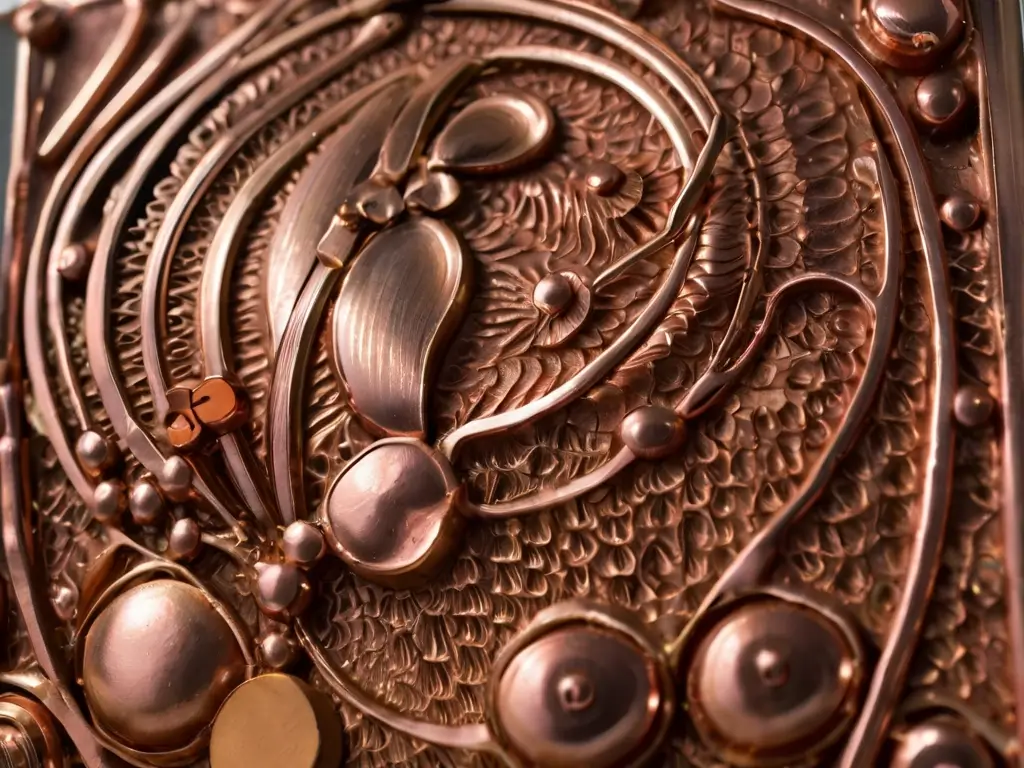
Yes, copper plated items can tarnish over time. Tarnish is a natural process that occurs when copper reacts with oxygen and moisture in the air. While copper plating provides a protective layer on the surface of the item, it is not completely immune to tarnish. However, the rate at which copper plated items tarnish may be slower compared to solid copper items.
What is Tarnish and What Causes it?
Tarnish refers to the dull, darkened appearance that gradually develops on the surface of some metals, including copper, silver and brass, when they are exposed to air and moisture.
Tarnish occurs due to a chemical reaction between the metal and sulfur compounds in the air, such as hydrogen sulfide. Oxygen also plays a role in the tarnishing process. The metal reacts with oxygen and moisture to form an oxide layer on the surface.
In the case of copper, this oxide layer consists of various copper sulfides that have a dark purplish or brownish black color, which we recognize as tarnish. Over time, as more of this tarnish layer accumulates, it obscures the original shiny surface of the copper, giving it a dulled and discolored appearance.
So in summary, the main factors leading to tarnish formation are air, moisture, sulfur compounds, and oxygen. The metal itself also impacts how readily it tarnishes. Pure copper tends to tarnish faster than copper alloys.
Do Copper Plated Items Also Tarnish?
Yes, copper plated items can also tarnish over time with exposure to air and moisture. However, the rate of tarnish formation may be slower compared to solid copper.
The copper plating layer helps protect the underlying base metal from tarnishing. But the plating itself can still react with sulfur compounds and oxygen to gradually form a tarnish layer.
Additionally, if the copper plating is thin or poor quality, the base metal underneath can get exposed over time, leading to tarnishing.
So while copper plating adds a level of protection against tarnish, it does not completely prevent the tarnishing process. Copper plated items still require occasional polishing and maintenance to keep the finish looking shiny and new.
Factors That Influence Tarnish Rate on Copper Plated Items
The rate at which copper plated items tarnish depends on various factors:
Quality and Thickness of Plating
Higher quality copper plating with greater thickness (up to 25 μm) provides better protection and is more tarnish resistant. Lower quality, thin plating can wear off over time, allowing tarnish to form.
Base Metal Underneath
If the copper is plated onto a highly reactive base metal like steel, it tarnishes faster than plating over more noble metals like nickel or brass. The reactivity of the underlying base metal affects the plating.
Exposure to Air and Moisture
Copper plated items exposed to high humidity, coastal salt air, and industrial sulfur dioxide will tarnish faster than items kept in drier indoor environments.
Use and Handling
Regular use and handling wears down the plating over time, diminishing its protective qualities. Gently used copper plated items will tarnish slower.
Cleaning Products
Harsh cleaning chemicals and abrasive polishes can damage copper plating and accelerate tarnish formation.
By controlling these factors, the rate of tarnish formation on copper plated items can be minimized. But it cannot be prevented indefinitely.
Signs of Tarnish on Copper Plated Items
Here are some visible signs that indicate copper plated items are starting to tarnish:
- Dark spots appearing randomly on the surface
- A cloudy or hazy appearance to the finish
- Areas turning brown, purple, black or greenish
- The shiny copper color starting to look dull
- A rainbow-like tint becoming visible on the surface
- Visible wear on high use areas, exposing base metal
- A gritty texture developing on the surface
These are early warning signs that maintenance and cleaning are needed to restore the copper plating’s luster and protect the item from further tarnishing. Catching it early keeps the damage minimal.
Caring for Copper Plated Items
While copper plated items will gradually tarnish from normal use and aging, you can slow down the process and maintain the attractive appearance by providing proper care. Here are some tips:
- Gently clean the item regularly with a soft cloth. Don’t use abrasive cleaners or scrub aggressively.
- Apply a thin protective coating of wax or lacquer periodically. This helps retard tarnish.
- For polishing, use a specially formulated copper cleaner and polish. Avoid solutions with harsh chemicals.
- Store copper plated items in a cool, dry place away from moisture, sulfur fumes, and extreme heat.
- When handling, try to grasp copper plated items in areas without plating or wear gloves to minimize skin contact and oils.
- If plating shows wear, consider having it re-plated to restore protection.
With proper care and maintenance, copper plated items can retain their beauty and luster for many years before needing re-plating. But expecting zero tarnish forever is unrealistic.
Best Practices for Copper Plating
For copper plated items with maximum tarnish resistance, look for products that follow these ideal copper plating practices:
- Parts are thoroughly cleaned and prepared before plating to ensure adhesion.
- Plating bath chemistry and current is optimized for uniform coverage.
- Use high purity copper anodes for minimizing impurities.
- Plate to an adequate thickness, typically 10-25 microns.
- Employ multiple plating layers and special treatments like lacquering.
- Post-plate inspection verifies coverage, thickness, and quality.
- Parts are properly packaged to avoid damage before use.
Adhering to strict protocols results in copper plating that better withstands tarnishing for longer periods.
Options for Removing Existing Tarnish
If your copper plated items have already developed tarnish, don’t worry – it can be reversed. Here are some safe options for removing tarnish:
- Tarnish removal sprays or creams – Special cleaners designed for copper that dissolve the tarnish layer without damaging the base metal.
- Vinegar solution – A diluted vinegar soak can help remove light tarnish. Rinse thoroughly.
- Lemon or lime juice – The citric acid in lemon juice helps dissolve copper tarnish. Dip a cloth in juice and rub gently.
- Baking soda paste – Make a paste with baking soda and water and gently rub it on the tarnish with a soft cloth. Rinse afterwards.
- Salt and vinegar mixture – Mix vinegar and salt to make a paste. Apply it on tarnish spots and let sit briefly before rinsing.
It’s best to avoid abrasive scouring powders or harsh chemicals that can strip the copper plating itself. With the right cleaning method, you can safely restore the shine and luster.
Maintaining Long-Term Beauty and Value
With the right care and maintenance, copper plated items can retain their eye-catching shine and appeal while avoiding significant tarnish damage. This preserves their aesthetic beauty and collectible value.
While copper plating does naturally tarnish over an extended period of direct use and exposure, the process can be slowed through conscientious handling, storage, and cleaning. With just a minimal investment of time and care, your cherished copper plated possessions can deliver years of enjoyment and retain their special charm.
So in summary, yes copper plating can tarnish over time when exposed to air and moisture. But by understanding what causes tarnish and how to mitigate it, you can keep your copper plated items looking their absolute best for generations to come. With a little TLC, the tarnish can be kept at bay.
References
- Guo, Jing, et al. “Effect of sulfur compounds on copper mirror corrosion.” Corrosion science 52.2 (2010): 579-586. A scientific study examining the impact of sulfur exposure on tarnish formation of copper surfaces. Provides details on the chemical mechanisms involved.
- Alfantazi, Akram, and Taimur Siddique. “Long-term corrosion investigations of copper and copper plated steel in tropical coastal environments.” Applied Surface Science 279 (2013): 95-103. Research paper investigating long-term outdoor corrosion and tarnish rates of copper plated steel samples compared to solid copper.
- Le Ban, P. “Copper plating technology for semiconductor interconnects.” Proceedings of the IEEE 2004 Custom Integrated Circuits Conference (IEEE Cat. No. 04CH37571). IEEE, 2004. Overview of various copper plating processes and quality control measures used in electronics manufacturing. Discusses maximizing corrosion resistance.
- Dini, J. W. Electrodeposition: the materials science of coatings and substrates. William Andrew, 1993. Textbook reference covering the science behind copper electroplating technology and processes.