
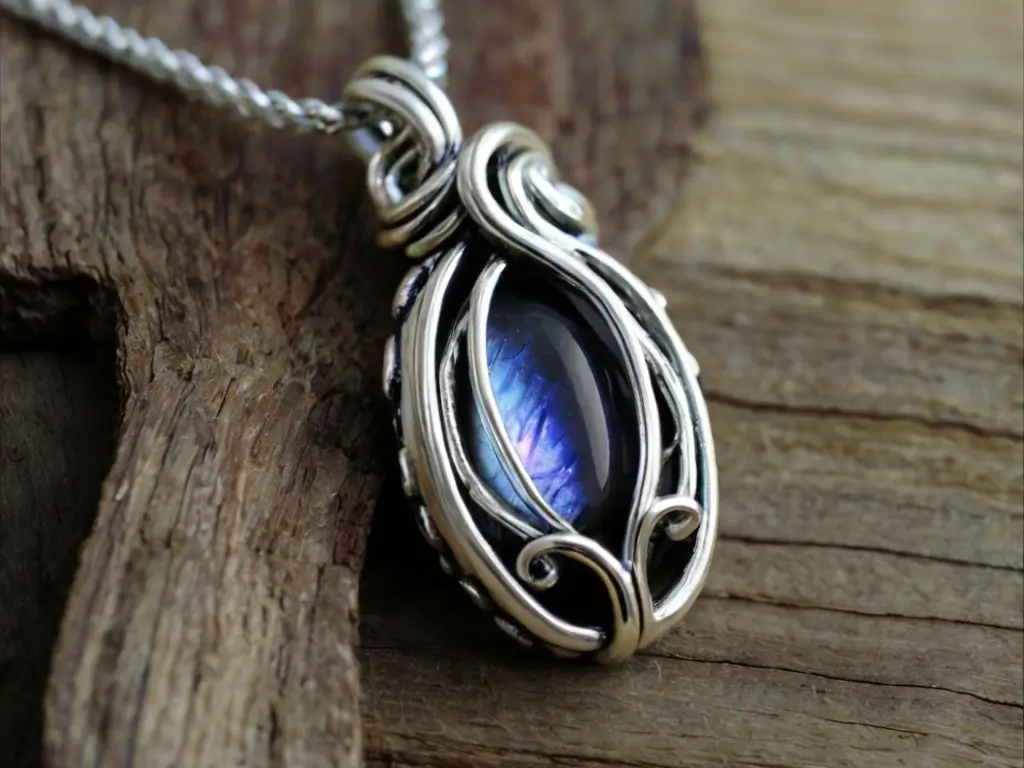
Yes, you can electroform silver. Electroforming is a process that allows you to synthesize a metal object by controlling the electrodeposition of metal passing through an electrolytic solution onto a metal or metallized form. In the case of silver, you can use a non-cyanide silver electroforming kit that includes a conductive silver paint, silver electrolyte, and other necessary materials. This kit lets you electroformed or plate silver onto any surface, making it ideal for jewelers, artists, and craftspeople who want to create unique silver electroformed items.
Key Benefits of Electroforming Silver
Electroforming has many advantages that make it a popular choice for silver fabrication:
Intricate Details and Textures
The layer-by-layer deposition of the electroplating process allows very delicate and intricate details to be replicated in silver. Fine lines, small patterns, and textured surfaces can be achieved.
This level of detail is difficult to create with traditional silver smithing and fabrication techniques. The flexibility of electroforming expands the design possibilities for silver pieces.
Cost Effective
Electroforming silver utilizes sterling silver rather than fine silver. Sterling silver is an alloy containing 92.5% silver and 7.5% copper.
The small amount of copper makes the silver more durable and affordable than fine silver. So electroforming provides a cost-effective alternative to producing pure silver objects.
Lightweight Strength
The electroplated silver forms a thin shell around the mandrel. This creates a lightweight hollow silver piece.
Despite the thinness, the electroformed silver has remarkable strength and durability due to the integrity of the metallic structure.
Creative Possibilities
Almost any conductive material can be used as a mandrel for electroforming. This allows for lots of creativity. Found objects, 3D printed parts, and machined items can be transformed into silver through electroforming.
The process is also popular for reproducing textures like sand, bark, leaves, and other organic materials. Unique patterns not possible with regular fabrication can be achieved.
Step-by-Step Process
Electroforming silver involves several key steps:
1. Creating the Mandrel
The mandrel provides the form that the silver is electroplated onto. It can be made from a wide range of conductive materials like copper, nickel, steel, or a conductive polymer.
Often, the mandrel is an object made specifically to be electroformed. But found objects can also be used as unique mandrels.
It’s important that the mandrel has an electrically conductive surface for the silver to deposit onto. So materials like plastic need to be coated first with a conductive layer like graphite paint or conductive epoxy.
2. Electrocleaning
Before plating can begin, it is important to clean the mandrel surface. This removes any dirt, oil, or oxidation that could prevent the silver from properly adhering.
Electrocleaning uses an alkaline electrolyte bath along with an electric current to clean the surface. It provides a more thorough clean than chemical dips or mechanical cleaning.
3. Activating the Surface
Once cleaned, the mandrel surface needs to be activated. This deposits a very thin layer of silver onto the mandrel before the heavier plating begins.
Activation ensures the mandrel is conductive and provides a surface the silver can readily bond to. A weak silver cyanide solution is often used for activation.
4. Electroplating the Silver
With the mandrel ready, the actual electroplating process can begin. The mandrel acts as the cathode and a pure silver anode is used.
The mandrel and anode are submerged in a silver electroforming solution. Common solutions include silver cyanide, silver acetate, and silver nitrate.
Applying a current causes silver ions to be drawn from the anode to the cathode mandrel. The ions deposit on the mandrel, slowly building up a layer of pure silver.
5. Finishing
Once the desired silver thickness is achieved, the electroformed piece is removed from the bath and finishes applied. This includes removing any final plating jigs or wires and polishing the silver.
If a hollow piece is desired, the original mandrel can be removed through heat or dissolving. Finally, textures and patinas can be added to create the desired look.
Equipment Needed
Electroforming silver requires specialized equipment to handle the plating process safely and efficiently:
- Power Supply – Provides the electrical current to the plating solution. A DC power source capable of low voltage (2-5 volts) and moderate amperage (10-100 mA/cm2) is ideal.
- Anode – Pure silver, typically in a plate, mesh, or tube form. This supplies the silver ions to the solution.
- Electroforming Tank – Holds the plating solution. Tanks are typically plastic or plastic lined. Size depends on the mandrel dimensions.
- Solution Heater and Pump – Heats the plating solution to operating temperature and circulates the solution.
- Solution Filtration – Removes contaminants and replenishes silver ions in the bath. Usually a carbon or membrane filtration system.
- Safety Equipment – Protective gear like eye shields, apron, and gloves for working with chemicals. Proper ventilation is also a must.
The right equipment allows you to safely achieve professional quality results. Working with electricity and chemicals requires caution. Consider taking a class to learn proper techniques before attempting on your own.
Designing Pieces for Electroforming
The electroforming process opens up many possibilities for unique silver designs:
Layered Metal
Using a mandrel made from two separate metals allows the silver to be selectively plated onto only one metal. The second metal remains exposed, creating a two-tone look.
Textured Surfaces
Mandrels made with various textures will reproduce their “negative” texture in silver. Sand, bark, fabric, and other textures can be replicated.
Embedded Objects
Small objects can be embedded into a non-conductive mandrel before plating. The silver forms around these inclusions, integrating them into the final piece.
Hollow Structures
A lightweight hollow silver piece can be made by removing the original mandrel after plating. This can produce hollow silver boxes, vases, and more.
Mixed Media
Combining electroformed silver with other materials creates mixed media jewelry. Wood, leather, and fiber can provide contrast with the plated silver elements.
With some creativity and planning, you can leverage the electroforming process to create truly unique silver pieces.
Tips for Success
Like any skilled technique, there are tips and tricks that can help you achieve quality results electroforming silver:
- Cleanliness – Keep mandrels and solutions as clean as possible. Contamination can ruin a piece.
- Low Current Density – Use lower current densities (10-50 mA/cm2) for a smoother silver deposit.
- Agitation – Keep plating solutions agitated to prevent depletion zones around the mandrel.
- Solution Maintenance – Closely monitor solution levels and contaminants. Adjust as needed.
- Plating Speed – Build thickness slowly, around .001” per hour. Rushing causes poor deposits.
- Part Racks – Use jigs or racks to securely hold small parts for more even plating.
- Current Ramping – Gradually reduce current density as thickness increases to prevent burning.
- Anode Bag – Contains the anode in a porous bag to prevent loose grains in the solution.
- Quality Mandrel – A well-made mandrel promotes adhesion and avoids pitting or plating over gaps.
With practice and an attention to detail, you can master the art of electroforming silver.
Common Problems and Solutions
Even experienced electroformers run into occasional problems. Here are some common issues and their causes:
Rough or Burned Deposits – Too high current density. Slow down plating speed.
Pitting – Contaminated solution or mandrel. Improve filtering and cleaning.
Flaking or Peeling – Inadequate surface activation or contamination. Reactivate and clean.
Uneven Plating – Poor solution agitation or racking. Use solution pump and secure racks.
Dull Deposits – Low silver concentration or old solution. Replenish silver or replace solution.
Black Streaks – Carbon contamination. Improve filtration and check mandrel prep.
Brittle Deposits – High impurities or organic contamination. Filter solution and rinse mandrel thoroughly.
Safety Precautions
Electroforming does involve some safety hazards:
- Use caution when working with electrical current near solutions.
- Wear personal protective equipment like gloves and eyewear.
- Work in a well-ventilated area to prevent inhaling fumes.
- Only use lead-free solder for any connections.
- Follow safe chemical handling procedures when mixing solutions.
- Dispose of solutions properly. Some silver solutions can be reclaimed.
Exercising common sense goes a long way in keeping your electroforming safe. Seek out training if attempting more hazardous processes like cyanide silver plating.
Final Thoughts
Electroforming opens up amazing possibilities for creating detailed and unique silver pieces. With some creativity and the right equipment, you can produce silver objects that are difficult or impossible to make through other fabrication means.
It does take practice and experience to master the electroplating process. But the rewards are worth it. Interesting textures, intricate details, and creative compositions can be achieved with electroformed silver.
So if you’re looking to push the boundaries of silver design, electroforming is definitely worth exploring. This guide covers the key techniques, equipment, and tips to get you started.