
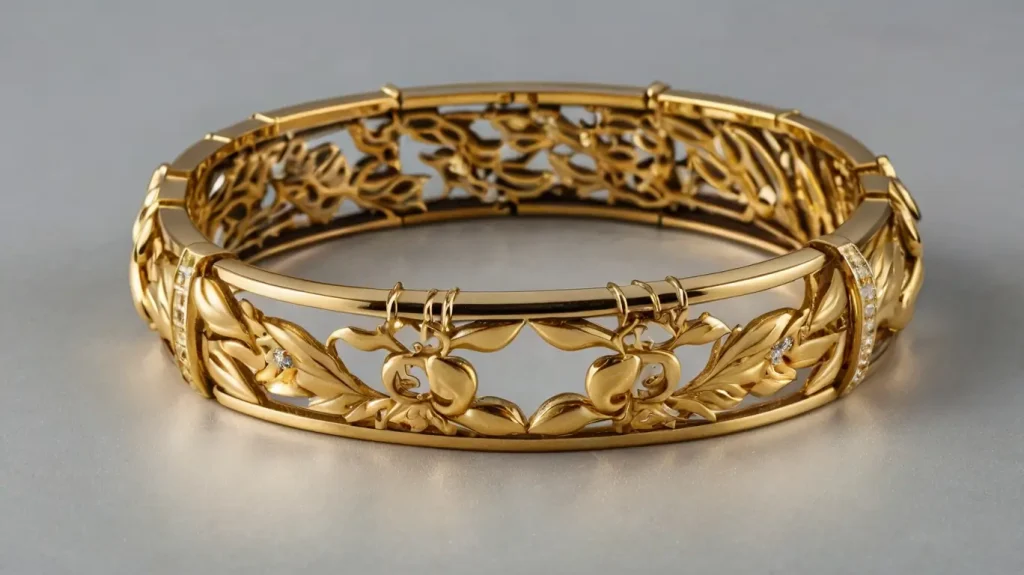
Gold plating has an allure unlike any other metal finishing process. The rich, warm glow of gold elevates everything it touches, conveying luxury, quality, and status. But is this signature gold finish as expensive as it looks?
The costs associated with gold plating can seem ambiguous for those unfamiliar with the process. While gold plating is more affordable than using solid gold, several factors determine the final price tag.
Key Factors That Impact the Cost
Thickness of the Gold Layer
The first major factor that affects the cost of gold plating is the thickness of the deposited gold layer. The thicker the layer, the more gold required, and therefore, the higher the cost. Light gold plating with a thickness less than 0.1 microns offers a subtle gold tint at a lower price point. Medium gold plating (0.1 to 1 microns) provides a visibly gold surface with moderate cost. Heavy gold plating (over 1 micron) delivers a deep, luxurious gold with higher costs.
Heavier plating thicknesses need longer plating times and more gold in the plating solution. But they can enhance certain qualities like wear resistance and corrosion protection. Ultimately, the thickness impacts the overall durability and longevity of the gold finish.
Surface Area Being Plated
The surface area of the item also affects the amount of gold needed for plating. Plating a large decorative wall panel will use much more gold than plating a small jewelry setting. Manufacturers must account for the size and intricacies of the piece when determining the gold costs.
Complex shapes with ridges, engraved areas, and multiple angles require more precision plating to cover completely and evenly. This can increase labor time as well. The costs are ultimately tied to the amount of gold used and time invested in the plating process.
Base Metal Material
The base metal underneath the gold plating also factors into the cost equation. Gold can be plated onto many metals, like nickel, copper, silver, brass, steel, and more. Nickel and copper are very common. The cost of the raw base metal material varies. Thus, an item plated on silver may cost more than the same item plated on nickel, due to the higher intrinsic cost of silver.
Additionally, certain base metals like reactive aluminum require special pre-treatments and processes before plating can begin. This preparatory work contributes to the costs. The base metal impacts the full production expenses.
Quality and Craftsmanship
Higher standards of quality and workmanship will be reflected in the cost of gold plating. There are several markers of quality to look for:
- Uniform plating thickness: High standards ensure the plating thickness remains consistent across the entire surface of the item. This requires meticulous monitoring and adjustments during the plating process. Uneven plating appears splotchy and unprofessional.
- Adhesion: Quality plating should adhere uniformly without any blistering or peeling. Proper surface preparation establishes a strong bond between the gold layer and base metal.
- Color consistency: The ideal gold plating has an even, rich color throughout. No faint or dull spots should be visible. Consistent color indicates plating solutions were properly maintained.
- Luster: A luminous, light-reflecting luster is a hallmark of fine gold plating. The plating surface should mirror the quality craftsmanship invested.
- Durability: Quality gold plating should withstand normal wear and tear without scratching away to the base metal. Durability depends on factors like plating thickness and application.
These standards require skilled technicians and conscientious monitoring from start to finish. The labor and expertise involved with high-quality plating carries added costs. But the resulting beauty and longevity are worth the investment.
Additional Treatments
Some gold-plated pieces undergo supplementary treatments to improve certain qualities:
- Lacquering: Clear or colored lacquer coatings protect the gold surface from wear, scratches, and tarnishing. Multiple layers may be applied for enhanced protection. Lacquering adds labor and material costs.
- Brush plating: Using a brush method to selectively hand-plate sections can increase costs due to intensive labor. Brush plating allows for repairs and special effects.
- Oxidation: Oxidizing a silver base layer before plating can provide a vintage, antiqued effect. Oxidizing adds an extra production step.
- Polishing and buffing: Polishing or buffing provides extra shine and luster. It smooths away any surface imperfections prior to plating. The additional time and work adds costs.
Not all plated pieces receive extra treatments. But the ones that do require supplemental equipment, materials, and work—all of which contribute to higher plating expenses.
Cost Comparison: Gold Plating vs. Solid Gold
One major appeal of gold plating is that it allows for gold finishes at a fraction of the cost of solid gold (gold alloyed with other metals for durability). Let’s compare some ballpark figures:
- Solid 14K gold ring: $500 – $2,000
- Gold-plated ring: $20 – $100
- Solid 18K gold watch: $3,000 – $8,000
- Gold-plated watch: $50 – $300
- Solid 14K gold necklace: $1,000 – $5,000
- Gold-plated necklace: $30 – $180
These numbers illustrate the considerable savings gold plating provides. The layered gold surface mimics the luxurious appearance of solid gold at a more accessible price point. For most applications, gold plating offers excellent value for cost.
However, gold plating eventually wears away over time, revealing the base metal beneath. Solid gold jewelry can be worn for decades without losing its precious luster. For heirloom pieces meant to last generations, solid gold still reigns supreme despite its higher initial investment.
Economical Options for Gold Plating
For those with tight budgets, economical gold-plated pieces do exist. Here are a few tips for keeping costs low:
- Opt for light or medium plating thicknesses instead of heavy plating. You can save significantly with thinner gold layers.
- Choose inexpensive base metals like nickel, brass, or copper instead of pricier silver or high-karat gold alloys.
- Select smaller items with less surface area for plating. Small jewelry pieces cost less than large decorative items.
- Find reputable manufacturers that offer competitive wholesale rates, then buy in bulk quantity.
- Seek gold-filled or gold overlay pieces. These have a thicker layer of gold mechanically bonded to the base metal for durability with minimal costs.
- Consider gold tones like rose gold-plate and white gold-plate for a hint of gold at even lower prices.
With smart shopping, gold plating can fit into most budgets for an upscale gold finish.
When Does Gold Plating Make Sense?
Gold plating provides an affordable alternative to solid gold in many scenarios. Here are some of the most common applications where plating is a practical, cost-effective choice:
Jewelry: Gold-plated jewelry contains only a small amount of gold but mimics the look of fine gold jewelry at a fraction of the cost. Gold plating allows for trendy, fashionable jewelry that can be inexpensive enough for everyday wear.
Watches: Watch cases and bands often receive gold plating over base metals like stainless steel. Given the large surface area, solid gold would be prohibitively expensive. Plating provides the desired gold hue while keeping costs reasonable.
Eyewear: Gold-plated eyeglass frames and sunglass components add a touch of glamour without the expense of solid gold. The plating is applied lightly to avoid adding much weight.
Electronics: Electronics like phones, laptops, and accessories utilize gold plating on connectors, switches, logos, and trim details for corrosion protection, conductivity, and aesthetics.
Cutlery: A layer of gold on cutlery like flatware and utensils adds elegance and style to entertaining. The plating is thick enough to withstand regular use without wearing through quickly.
Decor: Gold-plated decorative accessories, wall art, vases, candlesticks, and objets d’art offer affordability while still providing a rich, polished gold finish.
Hardware: Door knobs, light fixtures, and metal architectural details with gold plating gain a hint of glamour without the high costs of solid gold construction.
Gold plating delivers the beauty and appeal of gold on an accessible budget for many commercial and residential applications. It expands the possibilities for adding gold’s luster.
Maintaining the Gold Plating
While gold plating offers longevity and durability, the plating will eventually wear away with consistent use and handling over time. However, taking measures to care for the gold finish can extend its lifespan significantly.
Here are some tips for maintaining gold-plated items:
- Handle gently to avoid scraping or scratching the thin plated surface, which can expose the base metal underneath.
- Clean with a soft cloth and mild soap and water. Avoid harsh chemical cleaners which can be abrasive.
- For jewelry, remove gold-plated pieces before cleaning agents come into contact with them, including perfumes, hairsprays, chlorine, and household chemicals. These substances can interact with the gold layer.
- When not in use, store gold-plated items in soft fabric pouches or tarnish-preventive storage paper to prevent scratches and tarnishing during contact with other surfaces.
- Remove gold jewelry and watches before physical activities like exercise, gardening, and cleaning to prevent damage from impacts.
With proper care and handling, gold plating can last for many years of routine usage, providing an excellent return on investment.
Achieving the Signatures of Gold Without the Costs
Gold plating delivers dynamic, versatile beauty without the high costs of solid gold. It allows a broader range of industries and consumers to benefit from the unique signatures and advantages of gold. With plating, the luxurious gold surface is no longer limited only to the most affluent buyers.
While gold plating has many variables that impact the overall price, it remains affordable compared to pure gold alternatives. With an understanding of the contributing cost factors, buyers can select a gold-plated piece within their budget that still delivers the desired aesthetic qualities and longevity. Gold plating expands the possibilities for infusing our environments with golden beauty.


