
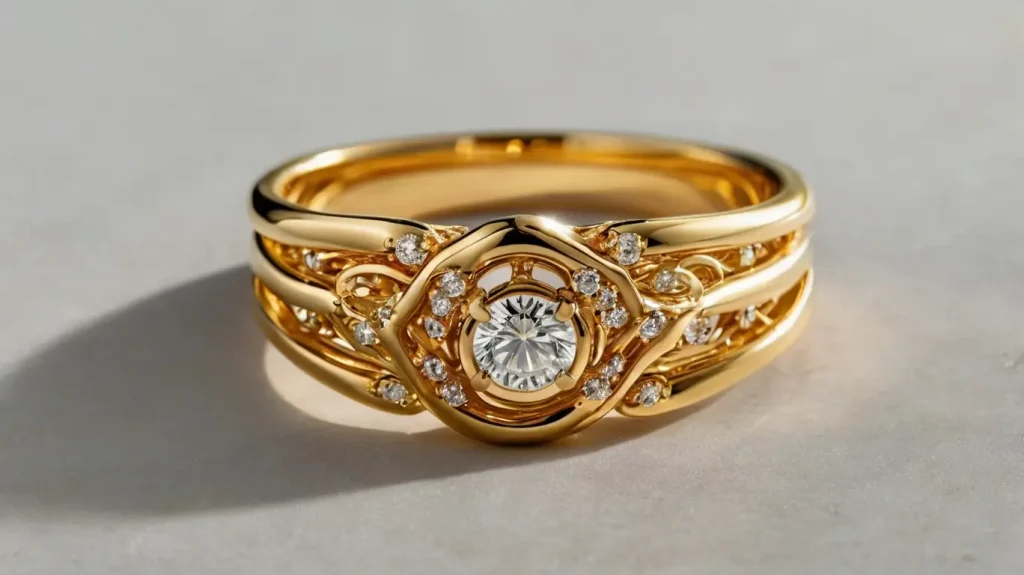
Gold plating is the process of depositing a thin layer of gold onto the surface of another metal. It is commonly used to improve the aesthetics, conductivity, or corrosion resistance of the base metal. While gold plating can produce beautiful results, it is not necessarily an easy process. Several factors contribute to the complexity of gold plating.
Gold Plating Processes
There are a few main methods used for gold plating:
Electroplating
This is the most common gold plating process. The metal component to be plated is immersed in a gold plating solution called an electrolyte bath. An electric current is applied, which causes gold to deposit onto the component surface. Electroplating allows for excellent control over the thickness and uniformity of the gold layer.
Immersion Plating
The component is simply immersed in a heated solution containing gold salts. The chemical reaction between the solution and component causes gold to deposit without using an electric current. Immersion plating is faster but doesn’t allow as much control compared to electroplating.
Gilding
This is an older, more traditional method where gold foil is hammered onto a surface. Modern gilding may also involve applying gold leaf or powder onto an adhesive-coated surface. Gilding allows selective application but is relatively time consuming.
Thermal Spraying
Gold powder is melted and sprayed onto a surface using compressed gas. This method offers high deposition rates but the gold layer has lower density compared to other techniques.
Sputter Deposition
Gold is vaporized and deposited onto the component in a vacuum chamber. Sputtering allows extremely thin, uniform gold layers but involves very expensive equipment.
Factors That Contribute to the Complexity
Gold plating is not simply dipping an object into liquid gold. Rather, it is a science that requires understanding the intricate chemical and electrical interactions that enable controlled, uniform gold deposition. Here are some key factors that make gold plating complex:
1. Surface Preparation
Meticulous surface preparation is vital for successful plating. The component surface must be thoroughly cleaned to remove oils, oxides, and defects. Common preparation techniques include:
- Solvent Cleaning: Using solvents like acetone to remove oils and organic residues
- Etching: Chemically or electrochemically etching the surface to remove oxides and impurities
- Mechanical Abrading: Sanding, grinding, or blasting the surface to smooth defects
- Activation: Using chemicals like hydrochloric acid to activate the surface for plating
Choosing the right combination of preparation steps for the specific metal substrate is essential. Improper preparation leads to poor adhesion and plating flaws.
2. Managing Electrical Current Density
For electroplating, controlling the electrical current density applied through the plating solution is critical. Too low, and the deposition occurs too slowly or not at all. Too high, and the gold layer is burned or has poor adhesion.
Maintaining the optimal current density requires constant monitoring and adjustments. Factors like plating bath temperature, agitation, component shape, and distance between anodes and cathodes can all impact current density.
3. Bath Chemistry
Gold plating solutions contain gold salts as well as other additives like buffers, brighteners, and reducing agents. The concentrations and ratios of these chemicals significantly affect factors like plating rate, brightness, hardness, and uniformity.
Bath chemistry must be precisely maintained through analysis and additions. Subtle changes in pH, metallic ion concentrations, and organic additives can ruin plating quality.
4. Equipment Considerations
Proper gold plating relies on using the right equipment configured correctly, such as:
- Power Supply: Provides controlled low-voltage DC power for electroplating. Needs adjustable current density capabilities.
- Plating Tanks: Inert plastic or lined steel tanks able to withstand chemicals. Sized to accommodate parts being plated.
- Solution Heaters & Coolers: Maintain precise bath temperature for optimal plating.
- Anode Baskets: Hold gold anodes in proper alignment to cathodic parts.
- Solution Filtration: Removes contaminants that may be introduced during plating.
- Agitation: Keeping solution moving via pumps or air spargers. Improves plating uniformity.
5. Plating Thickness Control
A key benefit of gold plating is the ability to deposit precise thicknesses of gold tailored to the application. Thicknesses may range from less than 0.1 microns for electronics up to 5 microns for wear resistance.
Controlling thickness requires adjusting plating time, current density, and solution formulations. Too thin, and the gold layer lacks functionality or durability. Too thick, and you waste gold, decrease component tolerances, and increase cost.
6. Gold Purity
The purity of the gold used for plating impacts the color, hardness, and performance of the gold deposit. Most plating uses high purity 99.9% gold, but lower purity alloys are also possible.
Maintaining gold anode purity, filtering contamination from plating solutions, and proper rinsing after plating all help achieve the desired gold layer purity.
7. Post-Plating Processing
After plating, additional steps are often needed:
- Rinsing: To prevent solution dragout contaminating the gold layer
- Drying: Removing all moisture to prevent water spots
- Heat Treatment: Hardening or annealing the gold layer
- Lacquering: Applying a protective clearcoat over soft gold plating
Proper rinsing, drying, and post-treatment are vital for making the plating look good and last.
The Various Types of Gold Plating
Not all gold plating is the same. There are specialized plating processes designed to achieve specific material properties in the gold layer. The intricacies of each technique also impact the overall difficulty.
Soft Gold Plating
Also called pure or 24k gold plating. Produces a luxurious bright gold finish, but is relatively soft and easily abraded. Careful control of plating thickness and post-plating lacquering are essential to protect soft gold’s beauty.
Hard Gold Plating
Involves co-depositing gold with other metals like cobalt or nickel to increase hardness and wear resistance. However, the alloying makes the plating color less pure. Requires precise current density control to codeposit the metals properly.
Selective Plating
Only plating gold onto specific areas of a component’s surface. Done using specialized plating jigs and solutions. Very technique-sensitive to achieve sharp plating edges between gold and unplated areas.
Porous Plating
Creates a gold layer with microscopic pores or cracks. The porous deposit increases surface area for applications like electrodes. Achieving the desired pore structure requires close control of bath additives.
Thick Gold Plating
For applications needing thicker gold > 2 microns for enhanced durability or conductivity. Minimizing internal film stresses while plating thick gold requires excellent bath chemistry control.
Duplex Gold Plating
Involves plating alternating layers of gold and other metals. Combines the benefits of both materials. But the process must be carefully designed to ensure proper adhesion between layers.
Factors That Can Simplify Gold Plating
While gold plating can be complex, there are certain techniques and approaches that can streamline the process:
Using Standardized Plating Procedures
Well-documented plating protocols with defined steps for surface prep, bath chemistry, and process settings simplify achieving repeatable results.
Automated Equipment
Tools like programmable rectifiers, temperature controllers, and chemical dosing systems reduce manual labor and variability in parameter control.
Simpler Component Geometries
Plating simple flat pieces or cylindrical parts is easier than complex shapes with cavities or internal channels. Complex shapes create current density variations.
Less Stringent Requirements
If an application can tolerate small deviations in gold thickness, hardness, or appearance, then process control requirements are less strict.
Outsourcing to Specialists
Sending parts to an experienced gold plating shop removes the need to purchase equipment, manage chemicals, and develop in-house expertise.
Key Takeaways on the Difficulty of Gold Plating
Gold plating’s complexity stems from the need to closely control myriad interrelated variables to build up a high-quality, uniform, consistent gold layer. Specific factors that contribute to the difficulty include:
- Meticulous, multi-step surface preparation
- Precise control of electrical current density
- Maintaining proper plating bath chemistry
- Using the right equipment configured correctly
- Depositing gold to an exact desired thickness
- Achieving high purity in the gold layer
- Executing proper post-plating processing
Additionally, specific plating techniques bring their own nuances that add further intricacies to the process. However, following standardized procedures, using automated equipment, choosing less stringent requirements, and outsourcing to specialists can all help mitigate the challenges involved with gold plating.
Overall, in experienced hands, gold plating can produce exceptionally beautiful and functional results. But mastering the science and art of gold plating requires substantial knowledge and proficiency to overcome its inherent complexity. With proper understanding and practice though, the difficulties of gold plating can be managed.


