
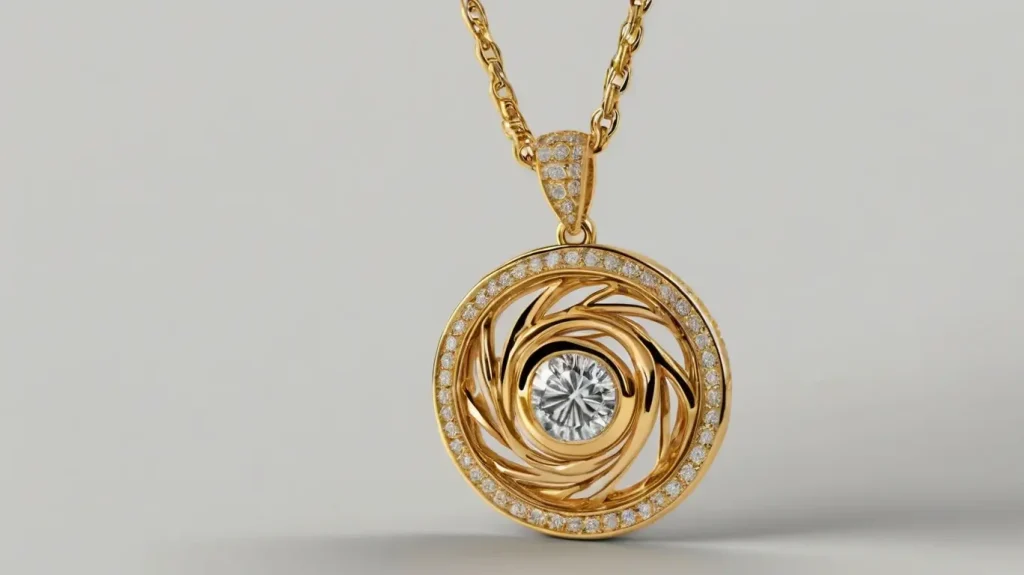
Gold plating is a process that involves applying a thin layer of gold onto the surface of another metal. The gold plating gives the item a lustrous gold appearance while only using a small amount of gold. But exactly how much gold is used in gold plating? Here’s a detailed look at gold plating and how much gold it contains.
Why Choose Gold Plating?
Gold plating is popular because it combines the desirable surface properties of gold with the cost benefits of other metals. Here are some of the key benefits of gold plating:
- Appearance – The gold surface gives the item a bright, shiny finish that maintains its luster over time. Gold plating enhances the aesthetic appeal of everything from jewelry to automotive emblems.
- Corrosion Resistance – Gold is highly resistant to oxidation and corrosion, especially compared to other metals like copper or silver. The gold coating protects the underlying base metal from tarnishing or rusting.
- Conductivity – Gold is the most electrically conductive metal, making gold plating ideal for electrical contacts and connectors. A small amount of gold efficiently conducts electricity.
- Durability – Gold plating creates a protective barrier that shields the base metal from wear, abrasion, and damage. The gold layer helps items withstand daily use with reduced wear and tear.
- Cost – Solid gold products are expensive and heavy. Gold plating allows manufacturers to get the advantages of a gold surface at a fraction of the cost by only using a thin layer.
How Thick is the Gold Plating?
The thickness of the gold plating depends on the intended use and desired properties. Items designed for heavy use or exposed conditions typically have thicker plating. Jewelry and decorative pieces feature thinner plating since they experience less wear.
Here are some typical gold plating thicknesses:
- Heavy Industrial Plating – 5 to 10 μm or more
- Electrical Contacts – 1 to 2 μm
- Costume Jewelry – 0.05 to 0.5 μm
- Fine Jewelry – 0.5 to 2.5 μm
Thicker plating above 2 μm is considered “heavy plating.” Extra thickness improves durability but also increases material costs. Ultra-thin plating below 0.1 μm offers minimal protection but has a gold-like appearance.
How Much Gold is Used?
The amount of gold used depends on the thickness of the plating and the surface area being covered.
Let’s look at a gold plated pendant with a 2 μm plating thickness and 10 cm^2 surface area:
- Gold density = 19.32 g/cm^3
- Plating thickness = 2 μm = 0.002 mm
- Surface area = 10 cm^2
Gold used = (Gold density) x (Plating thickness) x (Surface area)
= (19.32 g/cm^3) x (0.002 mm) x (10 cm^2)
= 0.0386 g of gold
For comparison, a similarly sized 10 cm^2 pendant made of solid 14K gold would require approximately 4.7 g of gold – over 100 times more than the plated pendant!
While the actual amount varies based on the specific item, gold plating generally uses only 1/100th to 1/10,000th of the gold required for solid gold products.
Does Plating Wear Off Over Time?
Gold plating does wear down over time, especially on items frequently handled or exposed to friction and abrasion. But the gold layer maintains its integrity much longer than other plating metals like silver or nickel.
Here are some factors that affect gold plating wear:
- Plating Thickness – Thicker plating lasts longer with improved durability and corrosion resistance.
- Purity – Pure 24K gold is softer while lower purity 18K or 14K gold is harder and more wear resistant.
- Base Metal – More durable base metals like nickel better support the gold layer compared to softer metals like copper.
- Quality – High quality plating resists oxidation and achieves better gold-to-metal bonding.
- Use Conditions – Gold plating on jewelry or electronics wears slower than plating exposed to outdoor weathering or constant abrasion.
While no plating lasts forever, quality gold plating should last for many years of regular use. Proper care also extends the lifespan of gold plated items.
Is Gold Plating Expensive?
Gold plating has a higher upfront cost compared to other types of plating, but it offers much greater value and longevity. Because only a small amount of gold is used, gold plating is affordable for manufacturers.
Cost depends on these key factors:
- Base Metal – Plating onto expensive metals like silver costs more than plating onto inexpensive metals like steel.
- Thickness – Thicker plating requires more gold resulting in higher costs.
- Purity – Pure 24K gold is more expensive than lower purity alloys.
- Item Size – Plating larger surface areas uses more gold and has higher costs.
- Labor – Hand polishing and finishing drives up costs for decorative gold plating.
- Volume – Plating high quantities gets volume discounts compared to small batches.
Although pricier than other metals, gold plating creates beautiful, long-lasting products that maintain their value. The benefits outweigh the moderate costs for most applications.
Common Uses of Gold Plating
Here are some of the most popular uses of gold plating leveraging its unique properties:
Jewelry – Gold plated jewelry has a luxurious gold shine at a fraction of the price of solid gold. Most costume jewelry is gold plated over inexpensive metals.
Electronics – Gold-plated contacts and connectors resist corrosion while providing ideal conductivity. Gold plating is found in computers, cell phones and other devices.
Automotive – Interior trim pieces, emblems, and wheel accents are plated for aesthetic appeal. Thicker plating protects exterior parts from weathering.
Accessories – Gold plated handbags, eyeglass frames, watches, and other accessories complement outfits with a stylish gold accent.
Decorative Hardware – Doorknobs, light fixtures, and architectural accents gain a glamorous gold touch.
Dental and Medical – Surgical instruments, dental implants, and other equipment are plated with gold for biocompatibility.
Food/Beverage – Gold leaf or gold dust is approved for culinary use to decorate foods, liquors, and candies.
Gold plating serves both decorative and functional purposes across countless everyday products. The microscopic layer of gold improves appearance, durability, and performance at an affordable price point.
Key Takeaways on Gold Plating
- Gold plating applies a thin layer of gold, typically 0.05 to 2.5 μm thick, over a base metal core.
- The gold coating provides aesthetic appeal, tarnish/corrosion resistance, conductivity, and durability.
- Gold plating uses only 1/100 to 1/10,000 of the gold required for solid gold, reducing costs.
- Thicker plating improves wear resistance but uses more gold. Ultra-thin plating has a gold hue at lower cost.
- Quality gold plating lasts for many years of regular use before wearing thin in exposed areas. Proper care prolongs the lifespan.
- Gold plating has moderate costs and provides excellent value given its advantages over other metals.
So while gold plated items have a mere coating of gold rather than being solid gold, the microscopic layer of gold still provides the beauty and benefits of this precious metal. Gold plating allows manufacturers to inexpensively incorporate the distinctive properties of gold into a wide range of products that we use every day.


