
Gold plating is a popular way to make jewelry and other items appear to be made of solid gold while being more affordable. But does that shiny gold plating scratch off over time? Let’s take an in-depth look at how gold plating works, what factors affect its durability, and how to care for gold-plated items to help prevent scratches.
How Gold Plating Works
Gold plating involves applying a very thin layer of gold onto the surface of another metal through an electrolytic process. This is done by submerging the metal item to be plated in a solution that contains gold. When an electric current is applied, the gold in the solution deposits onto the item.
The thickness of the gold plating can vary, but it is usually between 0.17 to 2.5 microns (for reference, a human hair is about 75 microns wide). While this leaves just a tiny layer of gold, it’s enough to give the item a lustrous golden appearance.
Key Factors That Impact the Durability of Gold Plating
While gold plating aims to give items a luxurious gold finish, it does have limitations in terms of durability compared to solid gold jewelry. Here are some key factors that affect how prone gold plating may be to scratching or wearing off over time:
Thickness of the Gold Layer
The thicker the layer of gold plating, the longer it will typically last. Light gold plating around 0.17 microns offers some protection but can wear down more quickly, while heavy plating upwards of 2 microns provides more durability. When shopping for gold-plated jewelry, opting for pieces with thick plating can help minimize scratches.
Quality of the Plating Process
High-quality plating techniques allow for a more even, durable layer of gold. Hand-plated items may not have the same level of consistency as machine-plated jewelry from reputable brands. The quality of the base metal underneath the plating also impacts results—plating over nickel can be more prone to wear than plating over silver or brass.
Frequency of Use and Exposure to Damage
Gold plating can gradually scratch off with regular use as the soft gold interacts with your skin, clothing, surfaces, and other materials. The more often you wear a gold-plated ring or necklace, the quicker it may show signs of wear. Gold plating is also vulnerable to damage from impacts, pressure, and exposure to chemicals.
How Does Gold Plating Wear Off?
When gold plating starts wearing down, you’ll begin to notice some telltale signs:
- Scratches and scuffs where the gold has chipped or flaked off, revealing the base metal underneath
- Faded or discolored patches where the gold layer has thinned and the underlying surface is becoming visible
- Visible wear on edges and high-contact areas like the back of rings or clasps of necklaces
- Abrasion from chemicals like chlorine, salt, sulfur, or certain cleaning products
With continued wear, the item may take on a brassy, coppery or silver-toned appearance as more of the base metal shows through. Eventually, the gold plating may wear away altogether.
Caring for Gold-Plated Jewelry and Items
While gold plating will never be as indestructible as solid gold, you can take steps to get the longest life out of your gold-plated belongings:
- Avoid wearing gold-plated jewelry during physical activities where it can get knocked around and damaged. The gym, gardening, cleaning, and sports are high-risk.
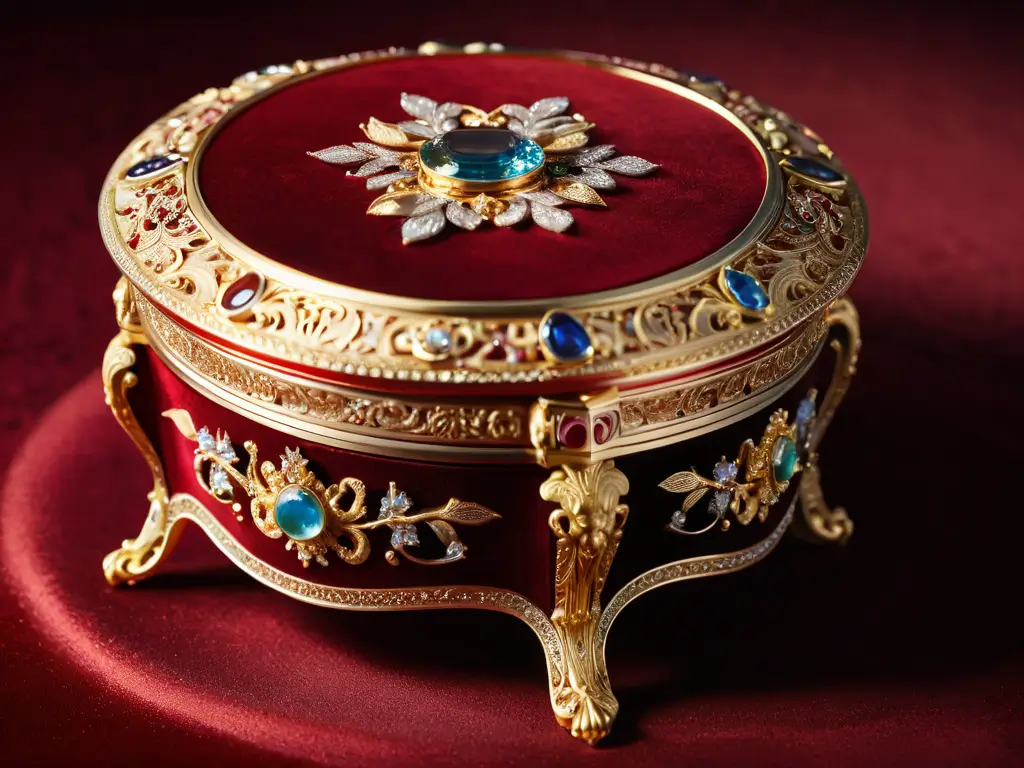
- When not being worn, store gold-plated items separately in a lined jewelry box to prevent scratches.
- Clean gold plating with a soft cloth using a mild soap and water solution. Avoid submerging in chlorinated pools or salt water.
- Limit exposure to hairsprays, perfumes, soaps, lotions, and cleaning agents that can damage the gold layer over time.
- Consider removing gold-plated rings, bracelets, and necklaces when using your hands for messy activities like gardening, cooking, or applying lotion or self-tanner.
- Bring gold-plated jewelry to a jeweler for periodic inspection and re-plating once existing plating shows significant wear.
Signs Your Gold Plating Needs Repair or Re-Plating
Here are some clear signs it may be time to have your gold-plated item repaired, replated, or evaluated by a professional:
- Visible scratches, scuffs and abrasions that have removed gold plating and exposed the base metal
- Patches that are heavily worn or discolored with a brassy or silver tone
- Plating that has thinned out along edges and backs of pieces that come in contact with skin
- Fading, peeling or bubbling of the gold plating
- Visible cracks or gaps in the gold plating
- Corroded or damaged areas where base metal is now exposed
- An overall dull or muted look compared to the original shiny gold tone
The Process of Re-Plating Gold Jewelry
When gold plating has worn away or become damaged, it is possible to have the item re-plated to restore its original gilded shine. Here is a brief overview of the gold re-plating process:
- Inspection and cleaning: The item is closely examined and any needed repairs are made. Grime, oils, and patina are cleaned from the surface so the new plating adheres properly.
- Activation: The piece goes through an activation bath, commonly involving sulfuric acid, to remove any remaining dirt and prepare the surface.
- Plating: The item is immersed in a gold plating solution while an electric current deposits a fresh layer of gold onto the surface. Multiple layers may be applied to increase durability.
- Polishing: Gentle buffing and polishing brings the new gold plating to a brilliant shine.
- Sealing: A sealant may be applied to help protect the new gold surface from wear and prevent tarnishing.
Re-plating can often renew the original appearance of a damaged gold-plated item. However, polishing and replating will gradually remove a small amount of metal over time and may eventually weaken the structural integrity of the item if done repeatedly.
Alternatives to Gold Plating for Durability
If you love the look of gold but want something more resilient for an item that will get heavy day-to-day use, here are some alternative options:
- Gold-filled jewelry: Gold is mechanically bonded to the base metal at much higher percentages—typically 10kt to 12kt gold applied to brass or sterling silver. This gives a layer that’s up to 100x thicker than regular plating.
- Gold vermeil: This involves gold plating over sterling silver rather than cheaper base metals. It offers greater durability than plating over alloys.
- Gold overlay: A layer of gold that’s at least 10kt is soldered on rather than plated. This also creates a thicker application of gold.
- Solid gold: The most durable option, solid gold alloyed with metals like copper and silver offers lasting wear without plating issues. The purity is expressed in karats (24k is pure gold). Common alloys are 18k or 14k gold.
Maintaining the Beauty of Gold Plating
While gold plating won’t last forever, caring for your gold-plated jewelry and taking measures to limit damage can help it retain its beauty for as long as possible. Be mindful of how you wear and store plated items, clean them with care, and watch for signs of excessive wear. And when plating does degrade, professional re-plating can often give your pieces a refreshed gold gleam. With some basic care and maintenance, you can enjoy the elegant look of gold plating for many years before needing a touch up.
References
- ASTM B568 – 98(2014) Standard Specification for Oxygen-Free Continuous and Oxygen-Free Phosphorus-Doped Copper Plating with Gold or Palladium-Nickel Strike for Hybrid Microelectronic Applications
- Baboian, R. (2005). Corrosion tests and standards: application and interpretation (2nd ed.). ASTM International.
- Calister, W. D., & Rethwisch, D. G. (2022). Materials science and engineering: An introduction (10th ed.). Wiley.
- Chang, J. W., & Lin, D. J. (2007). Study on interdiffusion behavior of gold and nickel at interface of gold-plated film. Thin Solid Films, 515(4), 1931–1937.
- Denny, V. E. (2001). Gold plating. In J. R. Davis (Ed.), Surface engineering for corrosion and wear resistance. ASM International.
- Edwards, L. (2018). Why does gold plating wear off? Dorling Kindersley Ltd.
- Fontana, M. G. (2005). Corrosion engineering (3rd ed.). McGraw Hill.
- Manko, H. H. (2001). Solders and soldering: Materials, design, production, and analysis for reliable bonding (4th ed.). McGraw-Hill.
- Safranek, W. H. (1986). The properties of electrodeposited metals and alloys: A handbook. American Electroplaters and Surface Finishers Society.
- Schlesinger, M., & Paunovic, M. (Eds.). (2010). Modern electroplating (5th ed.). Wiley.
- Tušek, J., & Gojić, M. (2017). A review of the processes and lab-scale techniques for gold recovery from secondary sources. Chemical and Biochemical Engineering Quarterly, 31(2), 145–158.


