
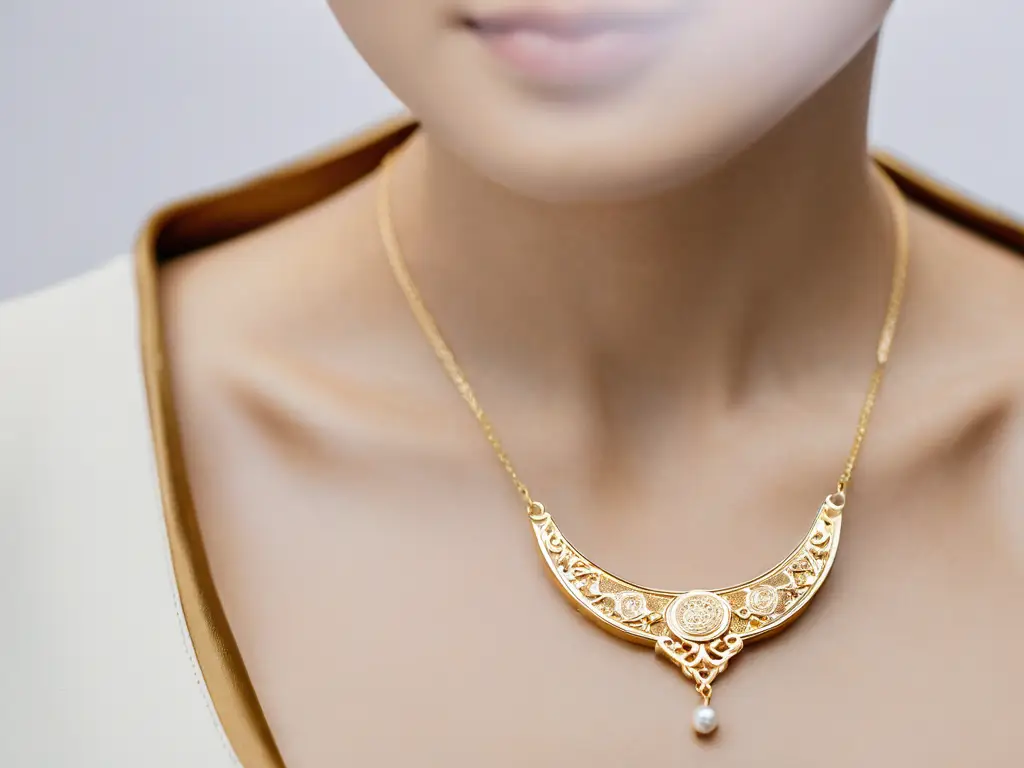
Gold plated jewelry does not rust over time, but it can tarnish and fade. Rust specifically refers to the corrosion of iron-based metals, whereas gold plated jewelry is made by layering gold over a base metal like silver, copper, or brass. While gold plated pieces won’t rust, the gold layer is vulnerable to damage with frequent wear and chemical exposure.
Why Doesn’t Gold Plated Jewelry Rust?
Rust is a specific term used to describe the corrosion and oxidization of iron and its alloys, like steel. When iron is exposed to oxygen and moisture, it develops rust – a reddish-brown flaky coating that damages the metal.
Gold plated jewelry does not contain iron. The base metals used are brass, copper, nickel, etc. which are not susceptible to rust. And the outer gold layer is corrosion resistant, meaning it does not oxidize or react with air or water.
Therefore, rust cannot form on gold plated jewelry the way it does on iron-based metals. The gold surface protects the inner metal from rusting. So while oxidation will damage and eat away bare steel, a gold plated piece will maintain its shine and luster despite air exposure.
Can Gold Plating Tarnish or Fade?
While gold plated jewelry won’t rust, it still carries risks of tarnishing, fading, or wearing down over time.
Tarnishing refers to the gradual dulling or discoloration of the surface gold layer. This is often caused by sulfur compounds in the air reacting with the gold atoms, creating a darker, stained appearance.
Fading occurs when the thin gold coating erodes away through frequent wear and tear, exposing the silver, copper, or brass metal underneath. This can give the jewelry a worn, brassy look.
How quickly gold plated jewelry fades or tarnishes depends on factors like:
- Thickness of the gold layer – Thinner plating wears faster. Jewelry with thicker plating lasts longer.
- Quality of the plating – Smooth, even plating resists damage better than spotty plating.
- Base metal – Silver or nickel bases maintain gold color better than copper or brass when worn down.
- Wear and tear – Frequent use, especially on rings, bracelets, or chains leads to faster fading.
- Chemical and environment exposure – Perfumes, lotions, chlorine, saltwater can accelerate tarnishing.
While gold plating won’t rust, it’s vulnerable to these other types of damage over time. Proper care is essential for maximizing the lifespan and beauty of gold plated pieces.
Lifespan and Durability of Gold Plated Jewelry
The lifespan of gold plated jewelry can vary substantially based on the quality of the plating, thickness of the gold layer, and how well it’s maintained.
High quality gold plating with adequate thickness (2.5 microns or more) may last 10 years or longer with proper wear and care. Budget plated jewelry with thinner gold layers often starts showing base metals within 1-3 years.
Plating thickness is key – but still relative. Even at 10 microns, the gold layer is over 100 times thinner than a human hair. So gold plating eventually wears down, especially on frequently worn rings, bracelets and watch bands that receive more friction.
Gold plated jewelry will generally not last as long as higher karat gold alloys, especially pieces made from 14k or 18k solid gold. The gold content is throughout, not just a surface coating.
But gold plating achieves a bright, luxurious gold finish at a fraction of the cost. Taking measures to prevent damage and tarnishing can help gold plated items retain their beauty and extend their lifespan by years.
Caring for Gold Plated Jewelry
You can maximize the durability of gold plated jewelry by following proper care and maintenance guidelines:
- Remove jewelry before swimming, showering, exercising, cleaning, applying lotions, perfumes, or makeup. Chemical and environmental exposures can damage the plating.
- When wearing plated rings, bracelets, and chains, go slow with movements to avoid friction wear. Remove bangles before hand washing.
- For storage, place pieces in soft cloth pouches versus stacking or jumbling together. This reduces scratching.
- Clean with a soft, lint-free polishing cloth. Avoid harsh jewelry cleaners or chemicals.
- For tarnished items, use a mild soap and soft brush. Don’t rub vigorously.
Following these precautions helps gold plated jewelry retain its luster and appearance for longer. Taking items off before potential chemical or friction exposure is key to reducing wear.
Signs of Wear on Gold Plated Jewelry
How can you tell if gold plated jewelry is wearing down or fading? Some signs to look for:
- Brassy, yellowish tones coming through. This indicates the base metal is showing through as the gold fades.
- Visible scratches and scuff marks. Gold plating is soft and prone to scratching.
- Peeling or flaking. In extreme fading, the gold layer can start to peel off.
- Spotty or uneven coloring. Worn areas will appear darker or brassy.
- Dull, darkened appearance. This happens as tarnishing oxidizes the gold layer.
If you notice any of these signs of wear, you may need to have the piece re-plated to restore its original shine and color. Tarnished items can often be polished back to brightness.
When to Re-plate Gold Plated Jewelry
Re-plating is the process of re-applying a fresh layer of gold over worn, faded plated jewelry. This can restore the original golden shine and mask any visible base metals.
Good candidates for re-plating include:
- Heirloom or sentimental gold plated jewelry where the base metal is showing but you want to retain the original piece.
- Plated pieces that are tarnished but have no damage to the base metal underneath. Tarnished items can often be re-polished but may benefit from replating if discoloration persists.
- Favorite gold plated rings, bracelets, chains and other frequently worn items that show brassy, worn areas after 1-3 years of wear.
Re-plating costs less than replacement, but does add up over time. For budget costume jewelry, replacement may be preferred once plating wears down. But re-plating offers an option for extending the life of cherished gold plated pieces.
Gold Plated Jewelry Care Tips
Gold plated jewelry provides a bright, luxurious gold finish that does not rust over time. But it remains vulnerable to fading, tarnishing, and revealing base metals with frequent wear. Taking steps to care for and maintain gold plated items properly can help extend their lifespan and beauty.
To summarize gold plated jewelry care:
- Avoid harsh chemicals, friction, and environmental exposures that can erode the thin gold layer.
- Store pieces properly in soft pouches to prevent scratching.
- Clean with mild soap and avoid vigorous rubbing.
- Look for signs of wear like fading, discoloration, and scratches.
- Re-plate cherished items when the base metal becomes visible.
- Expect to replace budget gold plated costume jewelry after 1-3 years.


