
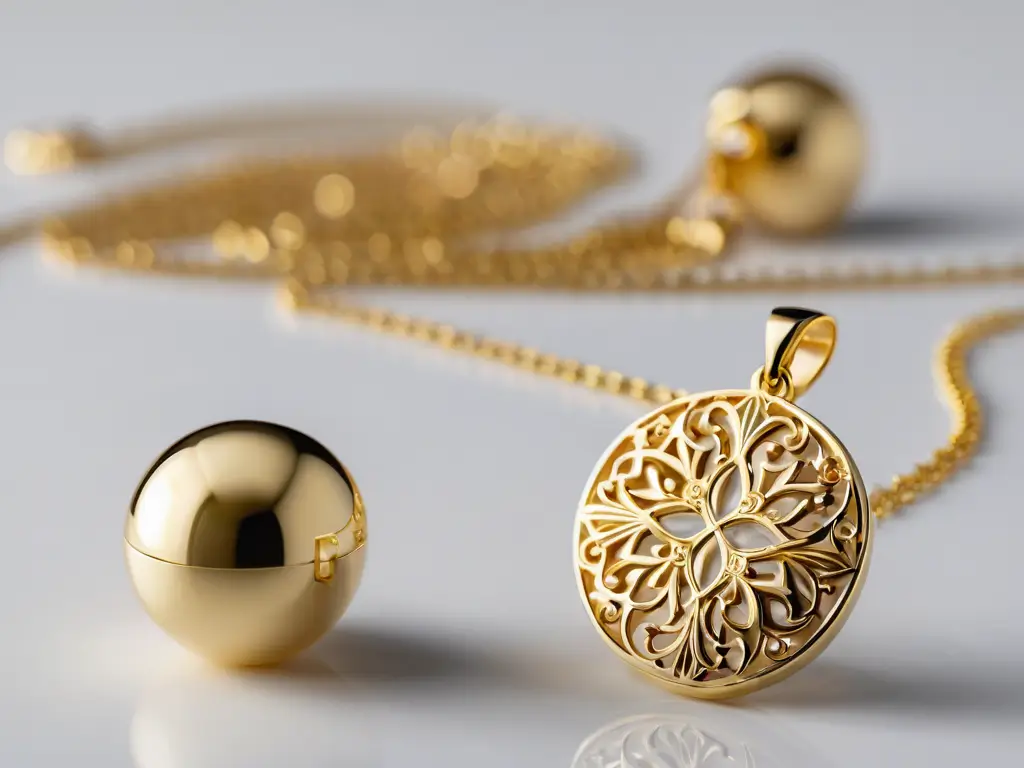
Gold plated jewelry offers the luxurious look of gold without the hefty price tag, making it a budget-friendly way to incorporate gold into your everyday style. But can these pieces withstand daily wear? Here’s what you need to know about wearing gold plated jewelry every day.
Is it Safe to Wear Gold Plated Jewelry Every Day?
Gold plated jewelry is designed to be worn regularly. The electroplating process creates a durable bond between the gold and base metal. With careful handling, gold plated pieces can maintain their shine and luster even with daily use.
It’s best to avoid exposing your gold plated jewelry to abrasives or chemicals that could cause the gold layer to deteriorate quicker. But with mindful wear and care, these pieces can be a versatile addition to your everyday style. Their affordability also makes gold plated jewelry easy to replace if needed.
The Benefits of Wearing Gold Plated Jewelry Daily
Gold plated jewelry is designed for regular, everyday wear. Here are some of the key advantages of incorporating these pieces into your daily wardrobe:
Affordable Luxury
The biggest incentive for choosing gold plated over solid gold is cost. An 18K gold ring can cost over $500, whereas a similar style in gold plating may cost $50. For those wanting the iconic gold jewelry look without the hefty price tag, gold plated accessories are an excellent option.
Versatile Styling
Gold plated jewelry works with casual and formal ensembles alike. Dress up a tee and jeans with a pair of hoop earrings. Or elevate an evening gown with a statement gold plated necklace. Gold accessories lend a touch of glamor to any outfit.
Abundant Design Choices
From dainty chains to bold cuffs, gold plated jewelry comes in an array of designs. You can find pieces to match your personal style. Mix and match different items for varied looks.
Hypoallergenic Option
For those with metal allergies, gold plated jewelry can be an ideal choice. When layered over hypoallergenic metals like stainless steel, these pieces are unlikely to cause skin irritation or reactions. This makes them comfortable and safe for daily wear.
Subtle Sparkle
Gold plated jewelry has an eye-catching but understated radiance. The soft golden shimmer adds polish without being overly flashy. It offers just the right amount of shine for everyday elegance.
Tips for Daily Wear and Care
Here are some tips for keeping your gold plated jewelry looking its best while wearing it every day:
- Remove during physical activities: Take off gold plated rings, bracelets, and other pieces when doing vigorous activity or sports. This prevents undue wear from impacts.
- Avoid water exposure: Limit exposure to pools, hot tubs, soaps and household chemicals which can cause corrosion and fading over time.
- Store properly: Keep gold plated jewelry in a soft pouch or sectioned storage when not being worn. This prevents scratches.
- Clean with care: Use a soft cloth to gently wipe away dirt and oils. Avoid harsh jewelry cleaners or chemicals.
- Inspect regularly: Check for signs of wear like fading, flaking or discoloration. Re-plate as needed to restore shine.
Skin Sensitivity and Gold Plated Jewelry
For those with metal allergies, gold plated jewelry can be a versatile option:
Hypoallergenic Metals
Opt for gold plated jewelry with a hypoallergenic base metal like surgical stainless steel or titanium. Many sensitive skin sufferers tolerate these metals well. The gold plating offers beauty without irritating allergens.
Nickel-Free Gold Plating
Nickel is a common jewelry metal allergen. But you can find gold plated pieces plated over nickel-free metals. These provide the benefits of gold plating without nickel reactivity.
Plating Over Sterling Silver
Sterling silver is less reactive than nickel or base metals. Gold plating adds durability and enhances sterling silver’s lustre. For many, plated sterling silver provides the best of both metals comfortably.
Try Plating on Different Metals
If one base metal causes reactions, try gold plated pieces with different bases like titanium, stainless steel, or sterling to find the most compatible option. Everyone’s sensitivity differs, so experiment to discover your optimal metal mix.
Quality Construction
Look for quality construction without gaps or flaking in the plating. Inferior plating can expose irritating metals underneath. Well-made gold plated jewelry is your safest bet for sensitive skin.
Styling Tips for Gold Plated Jewelry
Gold plated accessories lend effortless polish to any outfit. Here are some tips for stylishly incorporating them into your daily wardrobe:
Mix Metals and Stones
Don’t be afraid to mix gold plated jewelry with sterling silver, rose gold, or other metal tones. The contrast creates interest. You can also pair gold plated pieces with different colored gemstones or pearls for bold but balanced style.
Layering Necklaces and Bracelets
Build a layered necklace look by combining multiple shorter gold plated chains of varying lengths and designs. Or stack a few thin plated bangles for a casual, arm party style. Mixing metals expands the layering options.
Hoops Add Interest
Gold plated hoop earrings infuse flair into any casual or professional outfit. Opt for slim hoops for the office or oversized hoops for weekend wear. Hoops with gemstone accents also increase the visual appeal.
Statement Rings and Cuffs
Larger gold plated cocktail rings and wide cuffs make an outfit pop. Wear one substantial ring or cuff on one hand and keep the other accessories minimal. These eye-catching statement pieces command attention.
Accent a Watch
Amp up a watch by layering a few thin gold plated bangles beside it. Or opt for a gold plated watch strap or band to complement gold jewelry you’re wearing. This creates a pulled-together accessorized feel.
Elevate Evening Wear
For formal events, a dazzling gold plated necklace or chandelier earrings add glamor. Opt for your largest, boldest gold plated pieces to complement an elegant ensemble.
Caring for Gold Plated Rings
For gold plated rings that you’ll wear daily, be especially mindful of how you care for them to prevent damage:
- Remove rings before cleaning, exercising, gardening, or other hands-on activities. Even with durable plating, the constant friction can cause wear.
- Wash rings in warm, soapy water using a soft brush to clean under settings and around stones. Rinse and pat dry with a soft cloth.
- After washing, inspect the ring closely and look for any scratches, chips, or thinning plating. This can help identify issues early.
- Consider removing rings at night. This gives your rings and fingers a break from all-day wear.
- When not wearing, store rings individually in a divided jewelry box to prevent scratching other pieces.
Signs Your Gold Plated Jewelry Needs Replating
While gold plating can last for years with proper care, regular wear will eventually deplete the layer of gold. Here are some signs it may be time to have your gold plated jewelry re-plated:
- Fading color: Once bright gold becomes faded, dull or brassy. This means the gold layer is wearing thin.
- Flaking or peeling: You may notice the gold plating starting to peel or flake off, exposing base metal underneath.
- Tarnishing: When the gold takes on a blackened, tarnished appearance rather than its usual shine.
- Wear patterns: Visible scratches or thinned areas on surfaces that regularly rub and come into contact with things.
- Reaction with skin: Previously hypoallergenic jewelry suddenly causes skin irritation, indicating the base metal is now in contact with skin.
How to Get Jewelry Re-plated
You can restore the shiny gold finish of your worn jewelry through professional re-plating services. This chemically applies a fresh layer of gold over the existing plating.
Many jewelry stores and goldsmiths offer re-plating services. Make sure they have experience working with gold plated pieces – plating over plating requires special skill.
The cost of replating depends on the amount of gold used and the jeweler. It often ranges from $20-$50 per item. While affordable, keep in mind that re-plating will eventually wear down again with daily wear.
Choosing New Gold Plated Jewelry
When purchasing new gold plated jewelry you’ll wear every day, keep these tips in mind:
- Check thickness: Look for pieces plated in at least 10kt gold or more. 14kt or 18kt offers the most durability.
- Quality craftsmanship: Smooth, evenly plated pieces without gaps or weak spots withstand wear better.
- Reputable brands: Go for well-reviewed companies using specialized plating processes.
- Care instructions: Follow any specific care guidelines from the manufacturer.
- Warranty: Some brands offer extended warranties against wear, tarnishing, or damage.
Gold Plated Jewelry Adds Affordable Sparkle
Gold plated jewelry lets you enjoy real gold accessories at a fraction of the price of solid gold. With proper everyday care and handling, gold plated pieces can stay shiny and bright for many years of regular wear. Follow these tips to get the longest lasting wear from your gold plated rings, necklaces, earrings, and more.


